Hidden Cause of Eczema You Might Be Ignoring: The Role of Salicylates and How Diet Can Transform Your Skin
Eczema is one of the most frustrating chronic skin conditions affecting millions of people worldwide. Characterized by redness, itching, dryness, and inflammation, it often persists despite countless creams, medications, and lifestyle changes. Many individuals spend years trying to “fix” their skin from the outside, only to find that the real cause may lie deeper—within their diet.
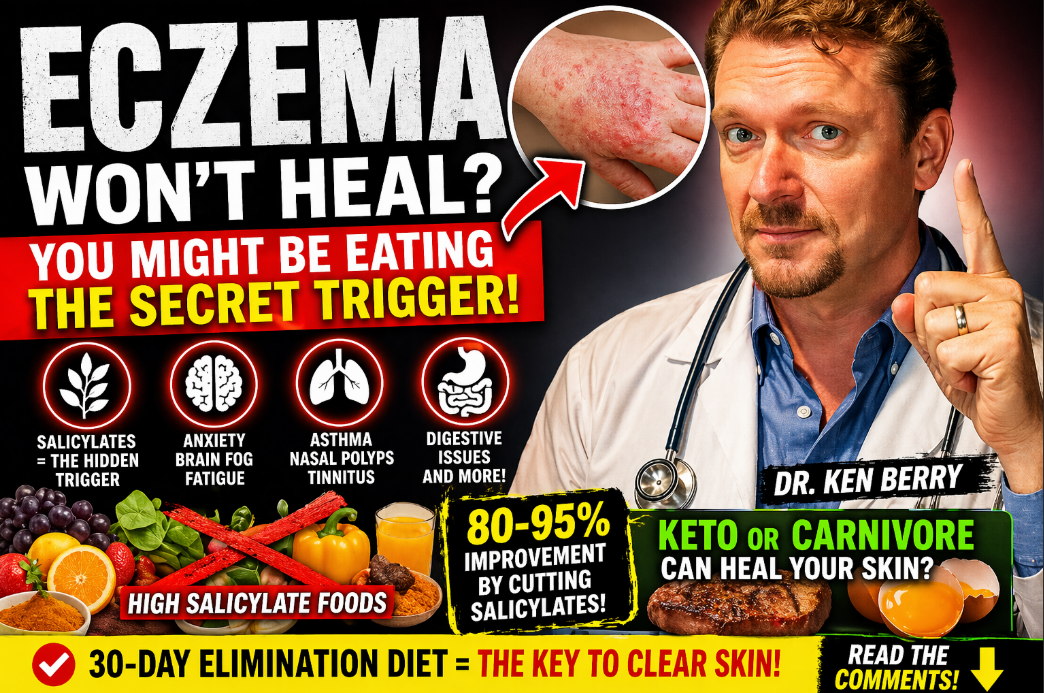
One emerging perspective, highlighted by Dr. Ken Berry and other health professionals, points to a surprising and often overlooked trigger: salicylates. These naturally occurring compounds are found in many foods commonly considered healthy. For some individuals, however, they may be a hidden cause of eczema and other systemic symptoms.
This article explores the connection between salicylates and eczema, the signs of intolerance, and how dietary changes—particularly low-salicylate, keto, or carnivore diets—may help restore skin health.
What Are Salicylates?
Salicylates are natural chemicals produced by plants as a defense mechanism against pests, bacteria, and environmental stress. They are present in a wide range of foods, including:
- Fruits such as berries, oranges, apples, and grapes
- Vegetables like tomatoes, peppers, cucumbers, and spinach
- Herbs and spices including turmeric, cinnamon, and paprika
- Nuts, seeds, and certain beverages like tea and fruit juices
They are also found in synthetic form in products like aspirin and some skincare items.
For most people, salicylates are harmless and even beneficial. However, for a subset of individuals, these compounds can trigger an immune or inflammatory response, leading to a variety of symptoms—including eczema.
The Link Between Salicylates and Eczema
Eczema is often thought to be caused by genetics, environmental irritants, or allergies. While these factors do play a role, they may not explain persistent or treatment-resistant cases.
Salicylate sensitivity introduces another layer to consider. When someone is sensitive, their body struggles to process these compounds efficiently. This can lead to inflammation throughout the body, which may manifest on the skin as eczema.
Dr. Ken Berry emphasizes that many people unknowingly consume high levels of salicylates daily, especially when following diets rich in fruits, vegetables, and plant-based foods. While these foods are typically recommended for general health, they may worsen symptoms in sensitive individuals.
Symptoms of Salicylate Intolerance
Salicylate sensitivity does not only affect the skin. It can produce a wide range of symptoms that often go unrecognized or are attributed to other conditions.
Common symptoms include:
- Eczema and chronic skin rashes
- Persistent itching and dryness
- Anxiety and mood disturbances
- Depression or low energy levels
- Brain fog and difficulty concentrating
- Chronic fatigue
- Nasal polyps and sinus issues
- Asthma or breathing difficulties
- Digestive problems such as bloating or diarrhea
- Tinnitus (ringing in the ears)
Because these symptoms can overlap with many other conditions, salicylate intolerance is frequently overlooked.

Why There Is No Simple Test
One of the biggest challenges in identifying salicylate sensitivity is the lack of a definitive laboratory test. Unlike food allergies, which can often be confirmed through blood tests or skin prick testing, salicylate intolerance requires a more observational approach.
This means diagnosis relies heavily on dietary experimentation.
The 30-Day Elimination Approach
The most effective way to determine if salicylates are contributing to eczema is through an elimination diet. This involves removing high-salicylate foods completely for a period of approximately 30 days.
During this time, individuals should carefully monitor their symptoms, particularly changes in:
- Skin condition
- Energy levels
- Mood and mental clarity
- Digestive health
If eczema improves significantly during this period, it strongly suggests that salicylates may be a contributing factor.
After the elimination phase, foods can be gradually reintroduced one at a time to identify specific triggers.
Dietary Solutions: Reducing Salicylates
For those who identify salicylates as a trigger, reducing or eliminating them from the diet can lead to substantial improvements.
According to Dr. Ken Berry, many individuals experience an 80 to 95 percent reduction in eczema symptoms after removing these compounds.
A low-salicylate diet typically focuses on:
- Animal-based foods such as meat, poultry, fish, and eggs
- Low-salicylate vegetables like cabbage and peeled potatoes
- Minimal use of spices and plant-based additives
This approach reduces the intake of plant defense chemicals, which may be driving inflammation in sensitive individuals.
The Role of Keto and Carnivore Diets
Two dietary approaches that naturally minimize salicylate intake are the ketogenic diet and the carnivore diet.
Ketogenic Diet
The ketogenic diet is high in fats, moderate in protein, and very low in carbohydrates. While it still includes some plant foods, it significantly reduces the intake of fruits and certain vegetables that are high in salicylates.
Benefits for eczema may include:
- Reduced inflammation
- Improved metabolic health
- Stabilized blood sugar levels
Carnivore Diet
The carnivore diet goes a step further by eliminating all plant-based foods entirely. It consists exclusively of animal products such as:
- Beef, pork, lamb, and poultry
- Fish and seafood
- Eggs
- Animal fats
Because it removes all sources of salicylates and other plant compounds, it can serve as a powerful elimination diet.
Many individuals report dramatic improvements in eczema, often within weeks of adopting this approach.
Why Plant Foods Can Be Problematic for Some People
While fruits and vegetables are generally promoted as healthy, it is important to recognize that they contain natural chemicals designed to protect plants—not necessarily to benefit humans.
In most cases, these compounds are well tolerated. However, for sensitive individuals, they can:
- Trigger immune responses
- Disrupt gut health
- Increase systemic inflammation
Salicylates are just one example of these compounds. Others include oxalates and lectins, which may also contribute to skin and digestive issues.
The Gut-Skin Connection
Another important factor in eczema is gut health. The digestive system plays a crucial role in regulating inflammation and immune function.
When the gut is irritated—whether by salicylates or other triggers—it can lead to increased intestinal permeability, often referred to as “leaky gut.” This allows inflammatory substances to enter the bloodstream, potentially affecting the skin.
By removing problematic foods, individuals may:
- Restore gut balance
- Reduce inflammation
- Improve nutrient absorption
- Support healthier skin
Practical Steps to Get Started
If you suspect that salicylates may be contributing to your eczema, consider the following steps:
1. Begin with Awareness
Start by learning which foods are high in salicylates. This will help you identify potential sources in your current diet.
2. Commit to a 30-Day Elimination
Remove high-salicylate foods completely for 30 days. Consistency is key to obtaining clear results.
3. Track Your Symptoms
Keep a daily journal of your skin condition, energy levels, and overall well-being.
4. Reintroduce Foods Gradually
After the elimination phase, reintroduce foods one at a time to identify specific triggers.
5. Consider Professional Guidance
Working with a healthcare provider or nutrition expert can help ensure that your diet remains balanced and sustainable.
Important Considerations
While dietary changes can be highly effective, they are not a one-size-fits-all solution. It is important to approach this process thoughtfully.
- Not everyone is sensitive to salicylates
- Nutritional balance should be maintained
- Long-term restrictive diets should be monitored
Additionally, eczema may have multiple contributing factors, including stress, environmental exposures, and genetics.
Final Thoughts
Eczema can be a complex and persistent condition, but it is not always as mysterious as it seems. For many individuals, the key to improvement lies not in topical treatments, but in identifying and removing hidden dietary triggers.
Salicylates represent one such trigger that is often overlooked. By experimenting with a low-salicylate diet—or even adopting a ketogenic or carnivore approach—some individuals experience dramatic improvements in their skin and overall health.
If you have tried everything and your eczema still persists, it may be time to look beyond conventional advice and consider what you are putting into your body every day.
A temporary shift to a simple, animal-based diet could provide the clarity you need to identify triggers and begin the path toward healthier skin.
Understanding your body is the first step. Taking action is the next.

