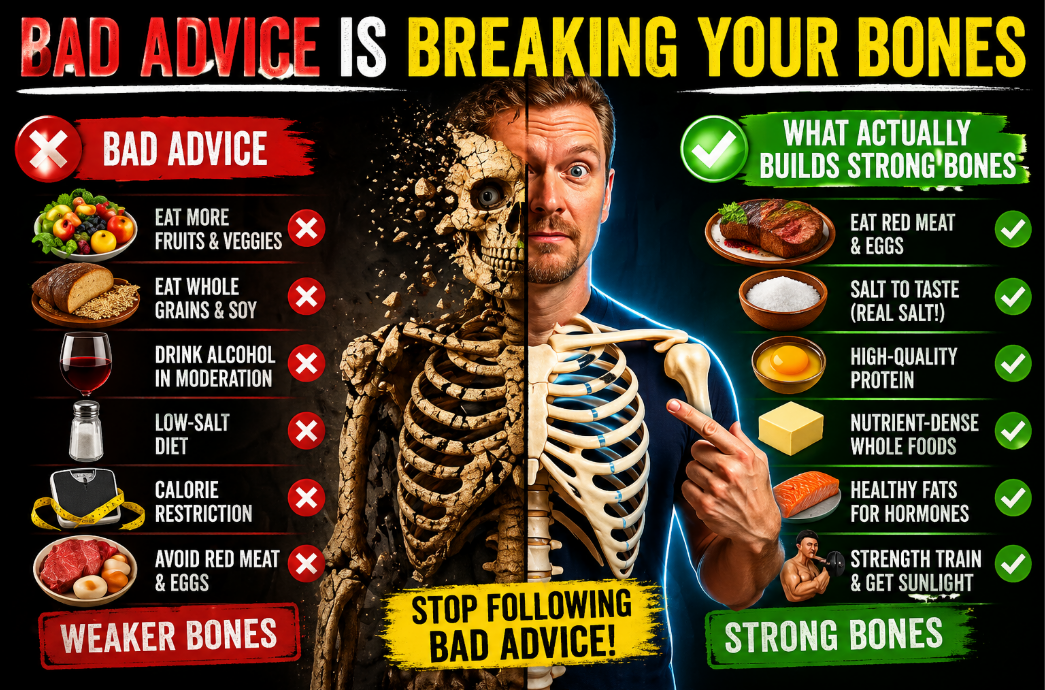
Common Bad Advice That May Be Weakening Your Bones (And What to Do Instead)
Bone health is often reduced to a simple equation: get enough calcium, drink milk, and avoid risky behaviors. However, emerging discussions in the health space suggest that many widely accepted recommendations may not fully support long-term bone strength. In some cases, they may even contribute to weaker bones over time.
This article explores several common pieces of advice related to bone health that are frequently promoted, examines the reasoning behind them, and offers a more nuanced perspective on how to truly support strong, resilient bones—especially as you age.
Understanding Bone Health: More Than Just Density
Before diving into specific advice, it’s important to clarify a key concept: bone density is not the same as bone strength.
Bone density refers to the amount of mineral content (primarily calcium) in your bones. It is often measured using a DEXA scan and is commonly used to assess osteoporosis risk.
Bone strength, however, is a broader concept. It includes not only density but also factors like:
- Bone structure and architecture
- Collagen content (protein matrix)
- Mineral balance
- Hormonal health
Focusing only on increasing bone density without considering these other factors can lead to misleading conclusions about what actually improves bone health.

1. Calorie Restriction After Age 40
The Common Advice
Many health professionals recommend reducing calorie intake as you age to prevent weight gain and metabolic issues.
The Problem
While calorie control can be beneficial in certain contexts, aggressive or chronic calorie restriction—especially after age 40—can have unintended consequences for bone health.
Bones are living tissues that constantly remodel themselves. This process requires energy, protein, and nutrients. When calorie intake is too low:
- The body may reduce bone formation
- Hormonal changes (such as reduced estrogen or testosterone) can accelerate bone loss
- Muscle mass declines, reducing mechanical stress on bones (which is necessary for maintaining strength)
For women, particularly after menopause, this can significantly increase the risk of osteoporosis.
A Better Approach
Instead of focusing solely on reducing calories, prioritize:
- Nutrient-dense foods
- Adequate protein intake
- Strength training to maintain muscle mass
- Sustainable eating patterns rather than restrictive diets
2. “Eat More Fruits and Vegetables for Strong Bones”
The Common Advice
Fruits and vegetables are widely recommended for overall health, including bone health.
The Problem
While fruits and vegetables provide essential vitamins, minerals, and antioxidants, they are not a primary source of highly bioavailable calcium or protein.
Some plant foods contain compounds such as:
- Oxalates (found in spinach, for example)
- Phytates (found in grains and legumes)
These compounds can bind to minerals like calcium and reduce their absorption in the body.
This does not mean fruits and vegetables are harmful—but relying on them as the main strategy for improving bone strength may not be effective.
A Better Approach
Include fruits and vegetables as part of a balanced diet, but also ensure:
- Adequate intake of bioavailable protein
- Sufficient intake of calcium from well-absorbed sources
- A variety of nutrients that support bone remodeling
3. Avoiding Red Meat and Eggs
The Common Advice
Some dietary guidelines suggest limiting or avoiding red meat and eggs due to concerns about heart health or cholesterol.
The Problem
Bones are composed of more than just minerals. In fact, over 50% of bone structure is made up of protein—primarily collagen.
Animal-based foods like red meat and eggs provide:
- Complete proteins (containing all essential amino acids)
- Nutrients such as vitamin B12, zinc, and iron
- Compounds that support collagen formation
Plant proteins, while valuable, are often less bioavailable and may lack certain essential amino acids unless carefully combined.
Avoiding these foods without proper substitutes can lead to insufficient protein intake, which may negatively impact bone strength.
A Better Approach
Focus on meeting your protein needs through high-quality sources, which may include:
- Meat, poultry, and fish
- Eggs
- Dairy products
- Well-planned plant-based protein combinations (if following a vegetarian diet)
4. Low-Salt Diets and Bone Health
The Common Advice
Reducing salt intake is commonly recommended to support heart health and reduce blood pressure.
The Problem
While excessive sodium intake can be harmful, extremely low sodium levels may also have negative effects.
Sodium plays a role in:
- Fluid balance
- Nerve function
- Muscle contractions
Some discussions suggest that very low sodium intake may be associated with hormonal changes or metabolic effects that could indirectly influence bone health.
However, it’s important to note that the relationship between sodium and bone health is complex and not fully understood.
A Balanced Perspective
Instead of extreme restriction:
- Avoid highly processed foods with excessive sodium
- Use natural salts in moderation
- Adjust intake based on individual health conditions and medical advice
5. Alcohol and Bone Strength
The Common Advice
Moderate alcohol consumption is sometimes suggested to have certain health benefits.
The Problem
There is no strong causal evidence showing that alcohol improves bone strength.
In fact, excessive alcohol consumption is clearly linked to:
- Reduced bone formation
- Increased risk of fractures
- Hormonal imbalances
Even moderate consumption should be approached cautiously, especially for individuals at risk of bone loss.
A Better Approach
If you choose to drink alcohol:
- Do so in moderation
- Avoid relying on it as a health strategy
- Focus on proven lifestyle habits that support bone health
6. Whole Grains and Soy as “Healthy Staples”
The Common Advice
Whole grains and soy products are often promoted as healthy, plant-based dietary staples.
The Problem
While these foods can be part of a balanced diet, they also contain:
- Phytates, which can reduce mineral absorption
- Lower-quality protein compared to animal sources (in terms of amino acid profile)
Relying heavily on these foods without considering their limitations may contribute to suboptimal nutrient intake for bone health.
A Better Approach
Include whole grains and soy in moderation, while ensuring:
- Adequate intake of complete proteins
- A diverse diet that supports nutrient absorption
- Proper food preparation methods (such as soaking or fermenting) to reduce anti-nutrients
What Actually Supports Strong Bones?
Rather than focusing on isolated pieces of advice, it’s more effective to adopt a comprehensive approach to bone health.
1. Adequate Protein Intake
Protein is essential for maintaining the structural integrity of bones.
Aim for:
- Sufficient daily protein intake based on your body weight and activity level
- A mix of high-quality protein sources
2. Strength Training and Physical Activity
Bones respond to mechanical stress. Activities that load the bones help stimulate growth and strength.
Examples include:
- Resistance training
- Weight-bearing exercises like walking or jogging
- Functional movements
3. Nutrient Density
Ensure your diet includes key nutrients such as:
- Calcium
- Vitamin D
- Magnesium
- Vitamin K2
These nutrients work together to support bone metabolism.
4. Hormonal Balance
Hormones like estrogen and testosterone play a critical role in bone health.
Factors that support hormonal balance include:
- Adequate nutrition
- Regular exercise
- Stress management
- Quality sleep
5. Avoiding Extreme Diets
Highly restrictive diets can deprive your body of essential nutrients.
Instead:
- Focus on long-term sustainability
- Avoid drastic calorie cuts
- Maintain a balanced approach to eating
Final Thoughts
Bone health is more complex than many common recommendations suggest. While traditional advice often focuses on increasing calcium intake or reducing certain foods, it’s important to consider the bigger picture.
Some widely accepted guidelines—such as aggressive calorie restriction, avoiding animal proteins, or relying heavily on plant-based sources alone—may not fully support optimal bone strength, especially as you age.
A more effective strategy includes:
- Eating a nutrient-dense, balanced diet
- Prioritizing protein intake
- Engaging in regular strength training
- Supporting overall metabolic and hormonal health
As always, individual needs vary. Before making significant changes to your diet or lifestyle, it’s best to consult with a qualified healthcare professional who can provide personalized guidance.
By understanding the limitations of common advice and focusing on evidence-based habits, you can take meaningful steps toward maintaining strong, healthy bones for life.

)