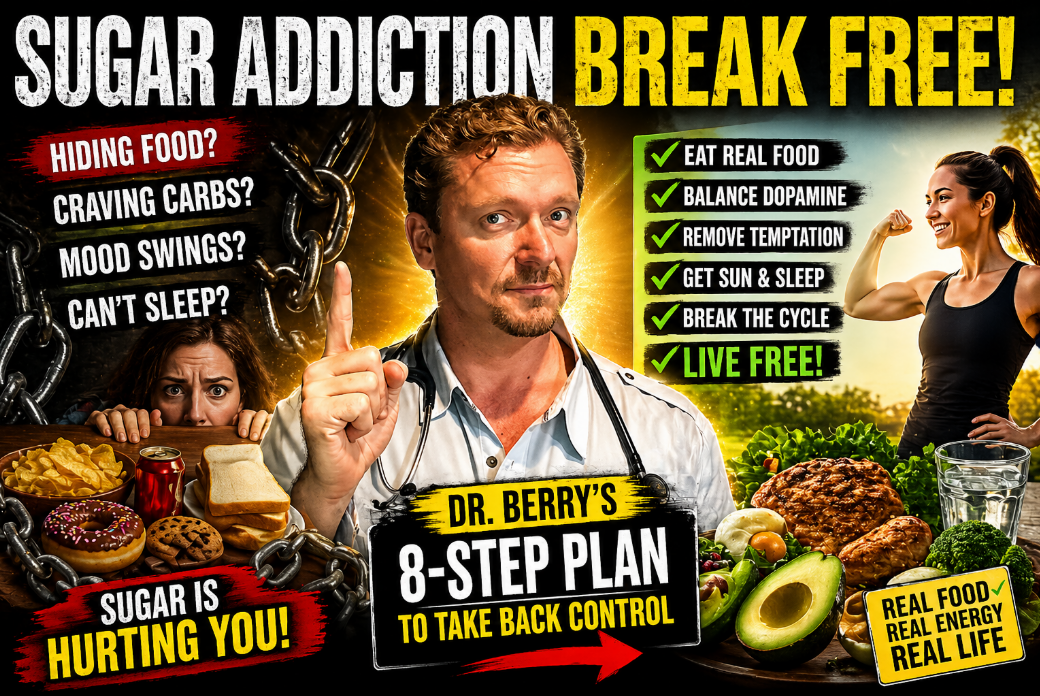
How to Recognize and Overcome Sugar Addiction: A Complete Guide to Regaining Control of Your Health
Sugar addiction is one of the most underestimated yet widespread health challenges in modern society. While many people associate sugar only with sweets like candy and desserts, the reality is far more complex. Sugar is hidden in everyday foods such as bread, chips, fruit smoothies, and even milk. This widespread presence makes it easy to consume excessive amounts without realizing it, leading to serious long-term health consequences.
In this comprehensive guide, we will explore what sugar addiction is, how to recognize its warning signs, and most importantly, how to break free from it using practical, science-backed strategies.
What Is Sugar Addiction?
Sugar addiction refers to a pattern of compulsive sugar consumption driven by both physiological and psychological factors. When you consume sugar, your body releases dopamine, a neurotransmitter associated with pleasure and reward. This is the same system activated by addictive substances such as nicotine and alcohol, though typically to a lesser degree.
Over time, repeated sugar consumption can train your brain to crave more, creating a cycle of dependence. This is why many people find it extremely difficult to cut back on sugary foods, even when they are aware of the health risks.
Why Sugar Is Harmful
Sugar affects the body in several harmful ways, especially when consumed in excess:
1. Insulin Spikes and Fat Storage
When you eat sugar or high-carbohydrate foods, your blood sugar levels rise rapidly. In response, your body releases insulin to bring those levels down. Frequent insulin spikes can lead to insulin resistance, a condition where your cells no longer respond effectively to insulin. This often results in increased fat storage and weight gain.
2. Increased Risk of Chronic Diseases
High sugar intake is linked to a variety of chronic conditions, including:
- Type 2 diabetes
- Heart disease
- Obesity
- Fatty liver disease
- Inflammation-related disorders
3. Energy Crashes
While sugar provides a quick burst of energy, it is often followed by a crash. This leads to fatigue, irritability, and more cravings, perpetuating the cycle.

Hidden Sources of Sugar
Many people believe they do not consume much sugar because they avoid sweets. However, sugar is present in many unexpected foods, including:
- White bread and pasta
- Chips and processed snacks
- Fruit juices and smoothies
- Milk and flavored dairy products
- Sauces and dressings
Even foods marketed as “healthy” can contain significant amounts of sugar or carbohydrates that convert into glucose in the body.
Signs You May Be Addicted to Sugar
Recognizing sugar addiction is the first step toward overcoming it. Here are some common warning signs:
1. Constant Cravings for Carbohydrates
If you frequently crave bread, pasta, sweets, or snacks, it may indicate a dependency on sugar.
2. Eating in Secret
Hiding food or eating sugary snacks privately is a strong indicator of addictive behavior.
3. Emotional Eating
Using sugar as a way to cope with stress, anxiety, or boredom suggests a psychological reliance.
4. Withdrawal Symptoms
When reducing sugar intake, you may experience symptoms such as:
- Headaches
- Irritability
- Anxiety
- Difficulty sleeping
These symptoms are similar to withdrawal from other addictive substances.
5. Loss of Control
If you often eat more sugar than intended and feel unable to stop, this is a key sign of addiction.
The Science Behind Sugar Cravings
Sugar cravings are not simply a matter of weak willpower. They are driven by biological mechanisms:
- Dopamine Release: Sugar stimulates the brain’s reward system, reinforcing the behavior.
- Blood Sugar Fluctuations: Rapid spikes and drops in blood sugar trigger hunger and cravings.
- Hormonal Imbalances: Lack of sleep and stress can increase hunger hormones, making cravings stronger.
Understanding these mechanisms helps explain why breaking free from sugar addiction requires more than just discipline.
How to Overcome Sugar Addiction
Breaking a sugar addiction is challenging, but entirely possible with the right approach. Below are key strategies that can help you regain control.
1. Acknowledge the Problem
The first step is recognizing that sugar addiction is real and that it affects your health. Accepting this allows you to take intentional action rather than relying on temporary fixes.
2. Identify All Sources of Sugar
Educate yourself about where sugar hides in your diet. Remember that carbohydrates like bread and pasta also break down into sugar in the body.
Start reading food labels and be mindful of ingredients such as:
- High-fructose corn syrup
- Sucrose
- Maltose
- Dextrose
3. Eat Satisfying, Nutrient-Dense Meals
One of the most effective ways to reduce cravings is to stay full. Diets that emphasize protein and healthy fats can help stabilize blood sugar levels and reduce hunger.
Consider approaches such as:
- Low-carb diets
- Ketogenic diets
- Carnivore-style eating
Focus on foods like:
- Meat, fish, and eggs
- Avocados
- Nuts and seeds
- Healthy oils
When your body is properly nourished, cravings naturally decrease.
4. Replace Sugar with Healthy Dopamine Sources
Since sugar stimulates dopamine, removing it can leave a temporary void. The key is to replace it with healthier alternatives that also boost mood and reward.
Examples include:
- Walking or exercising
- Reading or learning something new
- Spending time with loved ones
- Physical affection
- Engaging in hobbies
These activities help retrain your brain to seek pleasure from positive behaviors.
5. Remove Temptation from Your Environment
Willpower alone is often not enough. If sugary foods are easily accessible, you are more likely to consume them.
Take control of your environment by:
- Clearing your home of sugary snacks
- Avoiding aisles with processed foods
- Planning meals in advance
Creating a supportive environment reduces the chances of relapse.
6. Build a Support System
Inform your friends and family about your goals. Their support can make a significant difference.
Ask them to:
- Avoid offering sugary foods
- Encourage your progress
- Respect your dietary choices
Accountability increases your chances of success.
7. Choose a Strategy: Cold Turkey or Gradual Reduction
There are two main approaches to quitting sugar:
Cold Turkey
This involves eliminating sugar completely at once. It can be effective but may lead to stronger withdrawal symptoms initially.
Gradual Reduction
This approach involves slowly reducing sugar intake over one to three months. It may be more manageable for some individuals.
Choose the method that best fits your personality and lifestyle.
8. Prioritize Sleep and Sunlight
Sleep and sunlight play a crucial role in regulating hormones and dopamine levels.
- Aim for 7–9 hours of quality sleep each night
- Spend time outdoors daily
Poor sleep can increase cravings and make it harder to resist sugar.
9. Address Other Addictions
Other habits such as alcohol or tobacco use can reinforce sugar cravings. These substances often affect the same reward pathways in the brain.
Reducing or eliminating these habits can make it easier to break free from sugar addiction.
Creating a Long-Term Plan
Overcoming sugar addiction is not a short-term fix. It requires a sustainable, long-term approach.
Key Principles to Follow:
- Stay consistent with your dietary choices
- Monitor your progress and adjust as needed
- Avoid “cheat days” that can trigger relapse
- Focus on overall health, not just weight loss
Benefits of Breaking Free from Sugar
When you successfully reduce or eliminate sugar from your diet, you may experience:
- Stable energy levels throughout the day
- Improved mental clarity
- Better sleep quality
- Reduced inflammation
- Weight loss and improved body composition
- Lower risk of chronic diseases
These benefits often appear gradually but can significantly improve your quality of life.
Common Challenges and How to Overcome Them
1. Cravings During Stress
Use stress-management techniques such as breathing exercises or physical activity instead of turning to sugar.
2. Social Situations
Plan ahead by eating before events or bringing your own healthy options.
3. Plateaus
If progress slows, reassess your diet and lifestyle habits to identify hidden sources of sugar.
Final Thoughts
Sugar addiction is a real and powerful force that can negatively impact your health if left unchecked. However, with awareness, education, and a structured plan, it is entirely possible to overcome it.
The key lies in understanding your body, removing triggers, and replacing harmful habits with healthier alternatives. By taking intentional steps and staying consistent, you can break the cycle of sugar dependence and regain control of your health.
Your journey toward freedom from sugar starts with a single decision: to take control and commit to lasting change.

