Skin Signs and Lab Tests for Hypothyroidism: A Complete Guide to Recognizing Low Thyroid Symptoms
Hypothyroidism, commonly known as an underactive thyroid, is a condition that affects millions of people worldwide. Despite its prevalence, it often goes undiagnosed because its symptoms can be subtle, gradual, and easily mistaken for everyday fatigue, aging, or stress. One of the most overlooked areas where hypothyroidism reveals itself is the skin.
Your skin, hair, and nails can act as early warning signs of thyroid dysfunction. Recognizing these signs early can help you seek proper testing and treatment before the condition worsens. In this comprehensive guide, we will explore the most common skin-related signs of hypothyroidism and the essential lab tests you should consider for an accurate diagnosis.
What Is Hypothyroidism?
Hypothyroidism occurs when the thyroid gland does not produce enough thyroid hormones, primarily T3 (triiodothyronine) and T4 (thyroxine). These hormones regulate metabolism, energy production, body temperature, and many other vital functions.
When hormone levels drop, the body slows down. This slowdown affects nearly every system, including the skin, hair, and nails.
Why Skin Changes Matter in Thyroid Health
The skin is one of the fastest-renewing organs in the body, making it highly sensitive to hormonal imbalances. Thyroid hormones influence:
- Skin cell turnover
- Oil (sebum) production
- Blood circulation
- Sweat gland function
- Hair growth cycles
When thyroid hormone levels are low, these processes become sluggish, leading to noticeable physical changes.

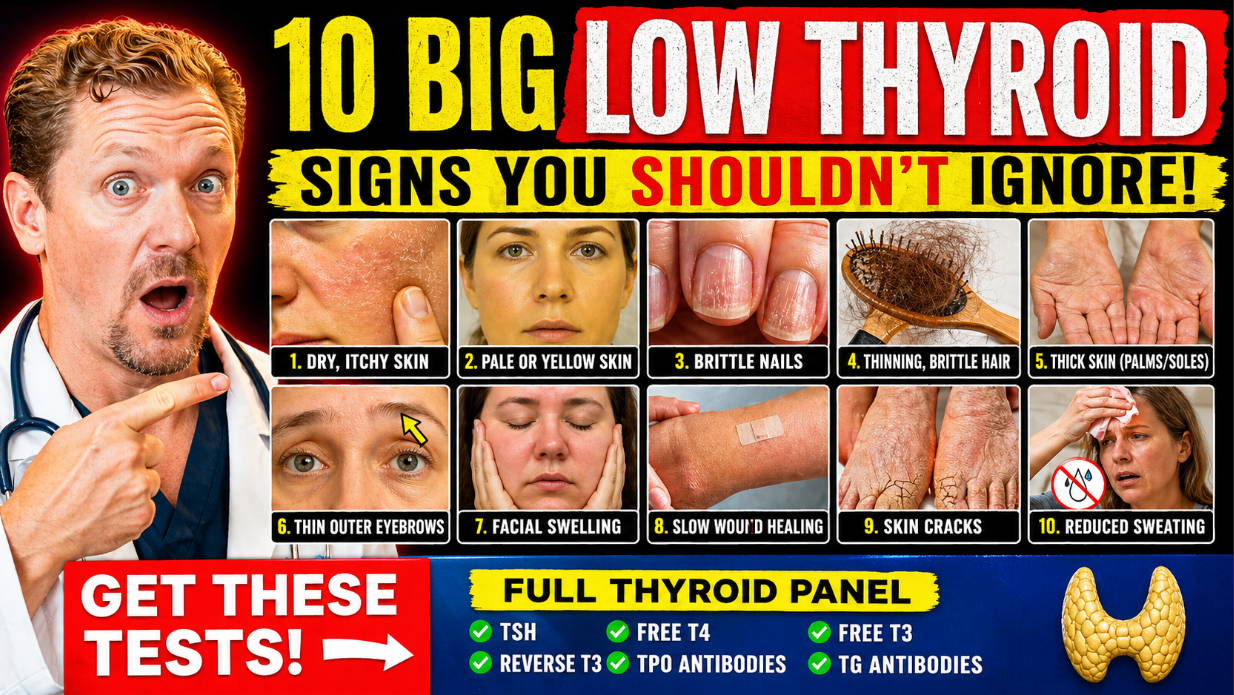
10 Skin-Related Signs of Hypothyroidism
Below are the most common dermatological signs associated with low thyroid function. While experiencing one or two symptoms does not necessarily mean you have hypothyroidism, a combination of these signs should prompt further evaluation.
1. Dry and Itchy Skin
One of the earliest and most common signs of hypothyroidism is dry, rough, and itchy skin.
Low thyroid hormone levels reduce oil production and slow skin cell turnover. As a result, dead skin cells accumulate, leading to a flaky and dull appearance. Many people also experience persistent itching that does not respond well to moisturizers.
2. Pale or Slightly Yellow Skin
Hypothyroidism can cause the skin to appear pale due to reduced blood flow. In some cases, the skin may develop a slightly yellow tint.
This yellowish tone is often linked to a buildup of beta-carotene, a pigment found in foods like carrots and sweet potatoes. Normally, thyroid hormones help convert beta-carotene into vitamin A. When hormone levels are low, this process slows down, causing the pigment to accumulate in the skin.
3. Brittle or Thick Nails
Changes in nail texture are another common sign. Nails may become:
- Brittle and prone to breaking
- Thickened or ridged
- Slow-growing
These changes occur because reduced thyroid function slows down protein synthesis and cell regeneration.
4. Thinning and Brittle Hair
Hair health is closely tied to thyroid function. Hypothyroidism can lead to:
- Thinning hair on the scalp
- Dry and coarse hair texture
- Increased hair shedding
- Slower hair growth
In severe cases, hair loss can become noticeable across the entire scalp, not just in patches.
5. Thick Skin on Palms and Soles
People with hypothyroidism may develop thickened, rough skin on the palms of the hands and the soles of the feet.
This condition is often caused by the accumulation of glycosaminoglycans, substances that build up in the skin when thyroid hormone levels are low. This leads to a waxy, swollen, or thickened appearance.
6. Thinning of the Outer Eyebrows
A classic and often overlooked sign of hypothyroidism is the thinning or loss of the outer third of the eyebrows.
This symptom is sometimes referred to as “Queen Anne’s sign.” It occurs due to disrupted hair growth cycles caused by low thyroid hormone levels.
7. Facial Swelling
Hypothyroidism can cause puffiness in the face, particularly around the eyes.
This swelling, known as myxedema, results from fluid retention and the buildup of certain substances in the tissues. The face may appear rounded, swollen, or less defined.
8. Slow Wound Healing
If cuts, bruises, or skin injuries take longer than usual to heal, it may be a sign of hypothyroidism.
Thyroid hormones play a role in tissue repair and regeneration. When levels are low, the healing process slows down significantly.
9. Skin Cracks on Hands or Feet
Severely dry skin can lead to painful cracks, especially on the hands and heels.
These cracks can sometimes become deep and prone to infection if not properly treated. This symptom often develops in more advanced or untreated cases of hypothyroidism.
10. Reduced Sweating
People with hypothyroidism often notice that they sweat less than usual.
Sweat glands rely on proper metabolic function to operate efficiently. When metabolism slows, sweat production decreases, contributing further to dry skin.
When Should You Be Concerned?
It is important to understand that these symptoms can overlap with other conditions. However, if you experience several of the following at the same time, it may be worth investigating thyroid function:
- Persistent dry skin despite proper hydration
- Hair thinning or unusual hair loss
- Changes in nails and skin texture
- Fatigue, weight gain, or cold sensitivity
- Facial puffiness or swelling
Early detection is key to preventing long-term complications.
Essential Lab Tests for Hypothyroidism
If you suspect a thyroid issue, relying on a single test may not provide a complete picture. A comprehensive thyroid panel is recommended for accurate diagnosis.
Here are the key tests you should consider:
1. TSH (Thyroid-Stimulating Hormone)
TSH is the most commonly used screening test. It measures how hard your pituitary gland is working to stimulate the thyroid.
- High TSH usually indicates low thyroid function
- Low TSH may suggest hyperthyroidism
However, TSH alone is not always sufficient.
2. Free T4 (Thyroxine)
This test measures the amount of unbound T4 hormone available in the bloodstream.
Free T4 provides insight into how much hormone your thyroid is producing.
3. Free T3 (Triiodothyronine)
T3 is the active form of thyroid hormone. Measuring free T3 helps assess how well your body is converting T4 into T3.
Some individuals may have normal T4 levels but low T3, leading to symptoms.
4. Reverse T3
Reverse T3 is an inactive form of T3 that can block the effects of active T3.
High levels of reverse T3 may indicate that the body is under stress or not properly utilizing thyroid hormones.
5. TPO Antibodies (Thyroid Peroxidase Antibodies)
This test checks for autoimmune activity against the thyroid.
Elevated TPO antibodies are commonly associated with Hashimoto’s thyroiditis, the leading cause of hypothyroidism.
6. TG Antibodies (Thyroglobulin Antibodies)
TG antibodies also help detect autoimmune thyroid conditions.
Testing both TPO and TG antibodies provides a more complete understanding of immune involvement.
Why a Full Thyroid Panel Matters
Many individuals are told their thyroid is “normal” based solely on TSH levels. However, this approach can miss important imbalances.
A full thyroid panel allows healthcare providers to:
- Identify early or subclinical hypothyroidism
- Detect conversion issues between T4 and T3
- Recognize autoimmune causes
- Develop a more personalized treatment plan
Lifestyle Factors That Affect Thyroid Health
While medical treatment is often necessary, lifestyle choices can support thyroid function.
Nutrition
Ensure adequate intake of:
- Iodine
- Selenium
- Zinc
- Iron
These nutrients play a role in hormone production and conversion.
Stress Management
Chronic stress can increase reverse T3 levels and disrupt hormone balance.
Practices such as meditation, exercise, and proper sleep can help regulate stress.
Avoiding Toxins
Environmental toxins and endocrine disruptors can interfere with thyroid function.
Reducing exposure to processed foods, plastics, and certain chemicals may support overall health.
Final Thoughts
Hypothyroidism is a common but often overlooked condition that can significantly impact quality of life. The skin, hair, and nails frequently provide early clues that something is wrong.
Recognizing signs such as dry skin, hair thinning, brittle nails, and facial swelling can help you take action sooner rather than later. If you notice multiple symptoms, it is important to request a comprehensive thyroid panel rather than relying on a single test.
Early diagnosis and proper treatment can make a substantial difference in how you feel and function daily. Always consult with a qualified healthcare professional for personalized advice and testing.
Understanding your body’s signals is the first step toward better health.

