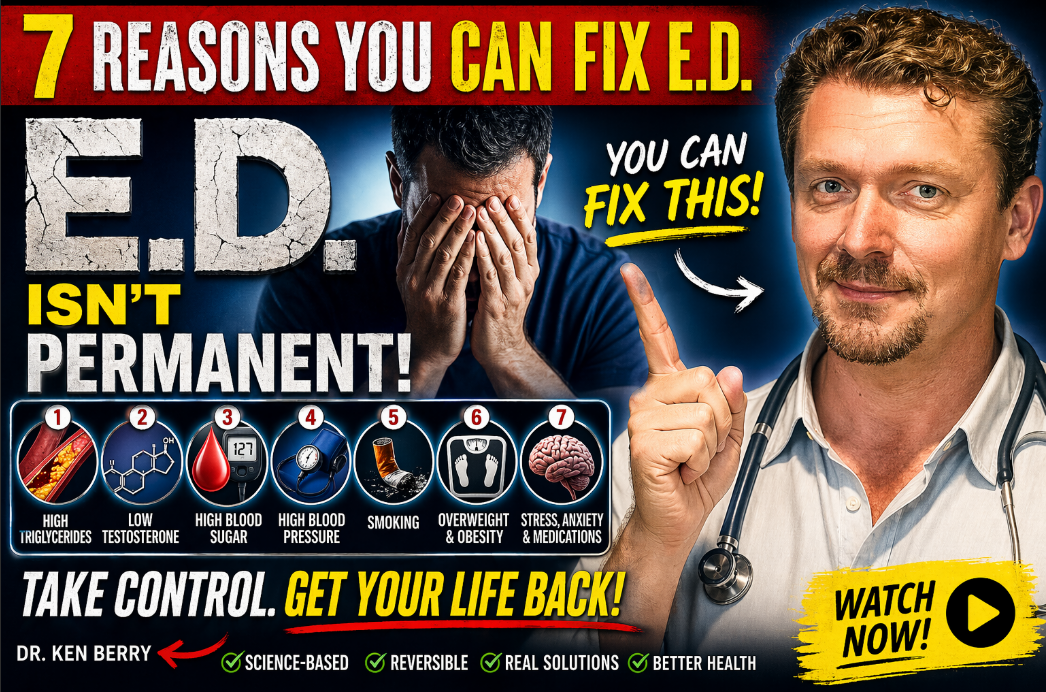
7 Controllable Causes of Erectile Dysfunction and How to Fix Them Naturally
Erectile dysfunction (ED) is one of the most common health concerns affecting men, especially as they age. However, what many people don’t realize is that ED is often not just a standalone issue—it’s a warning sign of underlying health problems. The good news is that many of the root causes of erectile dysfunction are controllable and even reversible with the right lifestyle changes.
In this article, we will explore seven major, controllable causes of erectile dysfunction and provide practical, science-backed strategies to improve your sexual health naturally.
What Is Erectile Dysfunction?
Erectile dysfunction is the inability to achieve or maintain an erection firm enough for sexual intercourse. While occasional difficulty is normal, persistent ED can indicate deeper health issues, including cardiovascular disease, hormonal imbalances, or metabolic dysfunction.
Rather than masking the problem with temporary solutions, it’s essential to identify and address the root causes.
1. High Triglycerides: A Hidden Threat to Blood Flow
Triglycerides are a type of fat found in your blood. Elevated triglyceride levels can damage blood vessels and nerves, both of which are essential for proper erectile function.
Why It Matters
Erections rely heavily on healthy blood flow. When triglycerides are high, they contribute to plaque buildup in arteries, reducing circulation to the penis.
How to Fix It
- Adopt a low-carbohydrate or ketogenic diet
- Reduce sugar and processed food intake
- Increase healthy fats such as olive oil, avocado, and fatty fish
- Exercise regularly to improve lipid profiles
Improving triglyceride levels can significantly enhance vascular health and restore erectile function over time.
2. Low Testosterone: The Hormonal Factor
Testosterone plays a crucial role in libido, energy, and overall sexual performance. Low testosterone levels can lead to reduced sexual desire and difficulty achieving erections.
Signs of Low Testosterone
- Low libido
- Fatigue
- Decreased muscle mass
- Mood changes
How to Fix It
- Get your testosterone levels tested
- Improve sleep quality (7–9 hours per night)
- Engage in resistance training
- Maintain a healthy weight
- Consider medical optimization if necessary under a doctor’s supervision
Balancing hormones is a key step in restoring sexual health.
3. High Blood Sugar: The Silent Destroyer
Chronic high blood sugar, often associated with diabetes or prediabetes, is one of the leading causes of erectile dysfunction.
Why It Matters
High glucose levels damage both blood vessels and nerves, impairing the mechanisms required for an erection.
How to Fix It
- Reduce carbohydrate intake
- Eliminate sugary drinks and refined foods
- Monitor blood glucose levels regularly
- Follow a low-carb or ketogenic diet
Better blood sugar control not only improves ED but also reduces the risk of serious complications like heart disease.
4. High Blood Pressure: A Circulation Killer
High blood pressure, or hypertension, puts strain on blood vessels, making it harder for them to expand properly during arousal.
Why It Matters
Healthy erections depend on the ability of blood vessels to dilate. Hypertension damages this function, leading to poor blood flow.
How to Fix It
- Address insulin resistance through diet
- Reduce sodium intake if necessary
- Increase potassium-rich foods like leafy greens
- Exercise consistently
- Manage stress levels
Dietary approaches such as low-carb or ketogenic diets have been shown to help normalize blood pressure in many individuals.
5. Smoking: One of the Most Preventable Causes
Smoking is one of the most damaging habits when it comes to sexual health. It directly harms blood vessels and restricts circulation.
Why It Matters
Nicotine and other chemicals in cigarettes cause blood vessel constriction and long-term vascular damage, which severely impacts erectile function.
How to Fix It
- Quit smoking immediately
- Seek support programs or nicotine replacement therapy if needed
- Replace the habit with healthier alternatives like exercise
The body begins to repair itself quickly after quitting, and improvements in erectile function can occur within weeks to months.
6. Overweight and Obesity: The Metabolic Link
Excess body weight is strongly associated with metabolic syndrome, a cluster of conditions that includes high blood sugar, high blood pressure, and abnormal cholesterol levels.
Why It Matters
Obesity contributes to inflammation, hormonal imbalance, and poor circulation—all of which negatively affect erectile function.
How to Fix It
- Focus on sustainable weight loss through diet and lifestyle changes
- Adopt a low-carb or whole-food diet
- Increase physical activity
- Track progress consistently
Even modest weight loss can significantly improve sexual performance and overall health.
7. Stress, Anxiety, Depression, and Medications
Mental health plays a critical role in sexual function. Chronic stress, anxiety, and depression can interfere with arousal and performance.
Additionally, certain medications can worsen erectile dysfunction.
Common Culprits
- SSRIs (antidepressants)
- Benzodiazepines
- Beta-blockers
- Diuretics
Why It Matters
Psychological stress activates the body’s fight-or-flight response, which is incompatible with sexual arousal. Medications can also interfere with hormonal balance or blood flow.
How to Fix It
- Practice stress management techniques such as meditation or deep breathing
- Consider cognitive behavioral therapy (CBT)
- Improve sleep quality
- Get regular sunlight exposure
- Review medications with your healthcare provider
Addressing mental health is just as important as physical health when it comes to ED.
The Bigger Picture: Erectile Dysfunction as a Warning Sign
Erectile dysfunction is often an early indicator of cardiovascular disease and metabolic dysfunction. The same processes that impair erections—such as poor circulation and inflammation—can also lead to heart attacks and strokes.
Instead of ignoring ED or relying solely on medication, it’s crucial to view it as a signal from your body that something needs attention.
Lifestyle Changes That Can Reverse ED
The most powerful takeaway is that many causes of erectile dysfunction are reversible. By making targeted lifestyle changes, you can improve not only your sexual health but your overall well-being.
Key Strategies
- Adopt a low-carb or ketogenic diet
- Exercise regularly (both cardio and strength training)
- Maintain a healthy weight
- Quit smoking
- Manage stress effectively
- Optimize sleep and hormone levels
- Monitor key health markers like blood sugar and cholesterol
When to Seek Medical Help
While lifestyle changes are highly effective, it’s important to consult a healthcare professional if:
- ED persists for several months
- You have underlying conditions like diabetes or heart disease
- You suspect medication side effects
- You experience other symptoms such as chest pain or fatigue
A comprehensive evaluation can help identify underlying issues and guide appropriate treatment.
Final Thoughts
Erectile dysfunction is more common than many people realize, but it doesn’t have to be a permanent condition. By addressing the root causes—such as high triglycerides, low testosterone, high blood sugar, high blood pressure, smoking, obesity, and stress—you can take control of your health and significantly improve your quality of life.
The key is to focus on long-term solutions rather than quick fixes. With the right combination of diet, lifestyle changes, and medical guidance, most men can see meaningful improvements.
Your body has an incredible ability to heal when given the right conditions. Start making changes today, and you may be surprised at how quickly things begin to improve.

