What Really “Rots” in Your Colon? Separating Myths from Science About Digestion
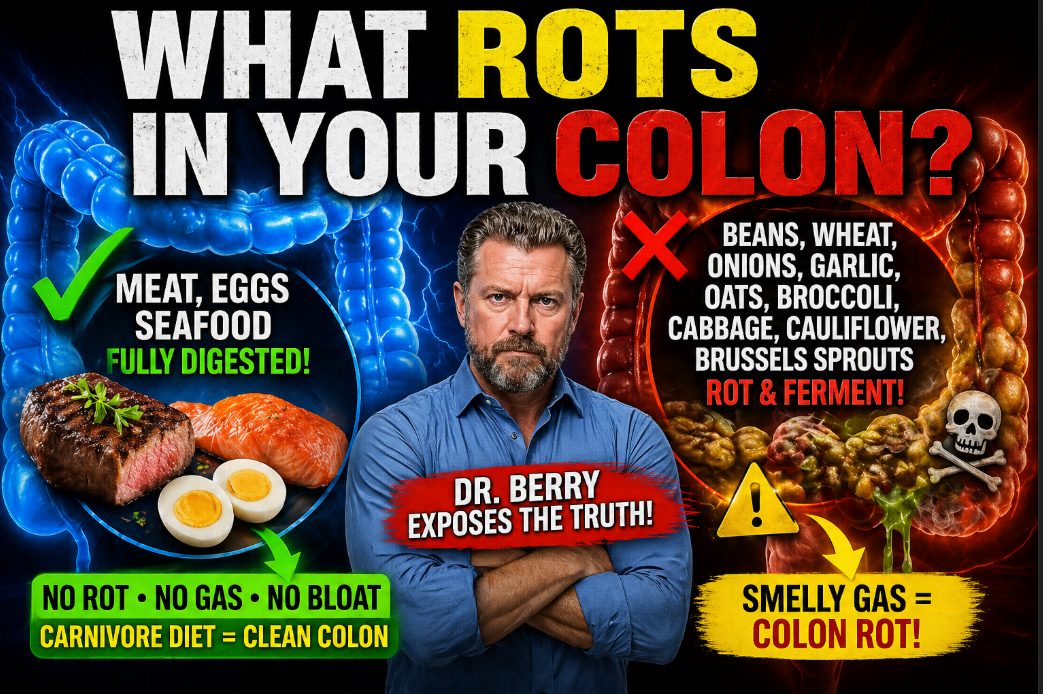
The idea that certain foods “rot” in your colon has gained attention across social media and health discussions, especially with the rise of carnivore and low-carb diets. Some claims suggest that plant-based foods like beans, grains, and vegetables ferment and cause harmful effects, while animal-based foods are fully digested and leave no residue behind.
But how much of this is actually true?
In this article, we will break down what really happens in your digestive system, explore the concept of food “rotting” in the colon, and examine the role of different food groups in gut health. Most importantly, we will separate myths from evidence-based science so you can make informed decisions about your diet.
Understanding the Human Digestive System
Before diving into specific food claims, it is essential to understand how digestion works.
The digestive process begins in the mouth and continues through the stomach and small intestine. By the time food reaches the colon (large intestine), most nutrients—such as proteins, fats, and simple carbohydrates—have already been absorbed.
The colon’s primary functions include:
- Absorbing water and electrolytes
- Processing indigestible food components
- Supporting a large population of gut bacteria
Not everything you eat is fully broken down before reaching the colon. In fact, this is completely normal and necessary for maintaining a healthy gut.
Does Food Really “Rot” in the Colon?
The term “rot” is often used in a misleading way. Scientifically, what happens in the colon is not rotting but fermentation.
Fermentation is a natural process where beneficial gut bacteria break down substances that the body cannot digest on its own. These substances are primarily:
- Dietary fiber
- Resistant starch
- Certain plant compounds
During fermentation, bacteria produce:
- Short-chain fatty acids (SCFAs) like butyrate, acetate, and propionate
- Gases such as hydrogen, methane, and carbon dioxide
These byproducts are not harmful. In fact, many of them play a critical role in gut health.

The Claim: Animal Foods Are Fully Digested
One common claim is that foods like meat, eggs, and seafood are completely digested before reaching the colon.
There is some truth to this.
Proteins and fats from animal products are largely broken down and absorbed in the stomach and small intestine. As a result, very little of these nutrients typically reach the colon under normal digestive conditions.
However, this does not mean animal-based diets are automatically superior for gut health. The absence of residue in the colon also means a lack of fiber, which is essential for feeding beneficial gut bacteria.
The Claim: Plant Foods “Rot” in the Colon
Another widely circulated idea is that foods such as:
- Beans
- Wheat
- Onions
- Garlic
- Oats
- Broccoli
- Cabbage
- Cauliflower
- Brussels sprouts
“rot” in the colon and cause harm.
In reality, these foods are rich in fiber and complex carbohydrates that are intentionally not digested earlier in the digestive tract. When they reach the colon, they undergo fermentation—not rotting.
This fermentation process is actually beneficial because it:
- Feeds healthy gut bacteria
- Produces anti-inflammatory compounds
- Supports colon cell health
- Improves immune function
Far from being harmful, these foods are often associated with reduced risk of chronic diseases, including heart disease, diabetes, and certain cancers.
What About Gas and Bloating?
One of the main reasons people believe food is “rotting” in the colon is the presence of gas, especially when it has a strong odor.
Gas is a natural byproduct of fermentation. When gut bacteria break down fiber, they release gases that can lead to:
- Bloating
- Flatulence
- Mild discomfort
Certain foods, particularly those high in fermentable fibers (often called FODMAPs), are more likely to produce gas. These include:
- Beans and legumes
- Cruciferous vegetables (like broccoli and cabbage)
- Whole grains
- Onions and garlic
Smelly gas, in particular, is often due to sulfur-containing compounds found in foods like garlic, onions, and some vegetables.
While uncomfortable, gas is not inherently a sign of something harmful. It is usually a sign that your gut bacteria are active.
When Gas Might Be a Problem
Although gas is normal, excessive or painful symptoms may indicate an underlying issue, such as:
- Irritable bowel syndrome (IBS)
- Food intolerances
- Imbalance in gut bacteria
- Poor digestion
In these cases, adjusting your diet or consulting a healthcare professional can help identify the cause.
The Role of Fiber in Gut Health
Fiber is one of the most misunderstood nutrients in discussions about digestion.
There are two main types of fiber:
- Soluble fiber – dissolves in water and forms a gel-like substance
- Insoluble fiber – adds bulk to stool and helps food pass through the digestive tract
Both types are essential for:
- Maintaining regular bowel movements
- Supporting gut microbiome diversity
- Reducing inflammation
- Lowering cholesterol levels
When fiber reaches the colon, it becomes food for beneficial bacteria. This process is crucial for producing short-chain fatty acids, especially butyrate, which helps maintain the health of colon cells.
Carnivore Diet and Gut Health
The carnivore diet, which consists primarily of meat, eggs, and animal products, has gained popularity for its simplicity and reported benefits.
Some individuals report:
- Reduced bloating
- Less gas
- Improved digestive comfort
This may be because the diet eliminates fermentable carbohydrates that produce gas.
However, there are important considerations:
- Lack of fiber may reduce gut microbiome diversity
- Long-term effects are not well-studied
- Potential nutrient deficiencies may occur
While some people may feel better temporarily, it is not clear whether a zero-fiber diet supports long-term gut health.
Is Less Gas Always Better?
It might seem logical that less gas equals better digestion, but this is not always the case.
A completely gas-free digestive system could indicate:
- Low fiber intake
- Reduced bacterial activity in the gut
Healthy gut bacteria rely on fermentable materials to thrive. Without them, the diversity and function of your microbiome may decline.
In contrast, moderate gas production is often a sign of an active and healthy gut ecosystem.
Balancing Your Diet for Optimal Digestion
Instead of choosing between extremes—such as all-meat or all-plant diets—the best approach is usually balance.
A well-rounded diet should include:
- High-quality proteins (meat, fish, eggs, or plant-based sources)
- Healthy fats
- Fiber-rich vegetables and whole grains
- Fermented foods like yogurt, kefir, or sauerkraut
If certain foods cause discomfort, consider:
- Gradually increasing fiber intake
- Identifying personal food sensitivities
- Cooking vegetables to make them easier to digest
Common Myths About Digestion
Let’s quickly address some common misconceptions:
Myth 1: Food sits in your colon and rots for long periods
Reality: Transit time varies, but waste is typically eliminated within 24–72 hours.
Myth 2: Smelly gas means your body is toxic
Reality: Odor is usually related to sulfur compounds, not toxicity.
Myth 3: Fiber is unnecessary
Reality: Fiber is essential for gut health, even though it is not digested.
Myth 4: Animal foods leave no impact on the colon
Reality: While largely absorbed, diet still influences gut bacteria indirectly.
The Science Behind Gut Microbiome
Your colon is home to trillions of microorganisms collectively known as the gut microbiome.
These microbes:
- Help digest food
- Produce vitamins
- Support immune function
- Influence mood and brain health
A diverse microbiome is generally considered a sign of good health. Diet plays a major role in shaping this diversity.
Plant-based foods, especially those rich in fiber, tend to promote a wider variety of beneficial bacteria.
Final Thoughts: What Should You Believe?
The idea that certain foods “rot” in your colon oversimplifies a complex biological process.
Here is what science supports:
- Animal foods are mostly digested before reaching the colon
- Plant foods often reach the colon and are fermented by bacteria
- Fermentation is beneficial, not harmful
- Gas production is normal and often healthy
- A balanced diet supports the best long-term gut health
Rather than fearing certain foods, it is more productive to understand how your body processes them and how they affect your overall health.

