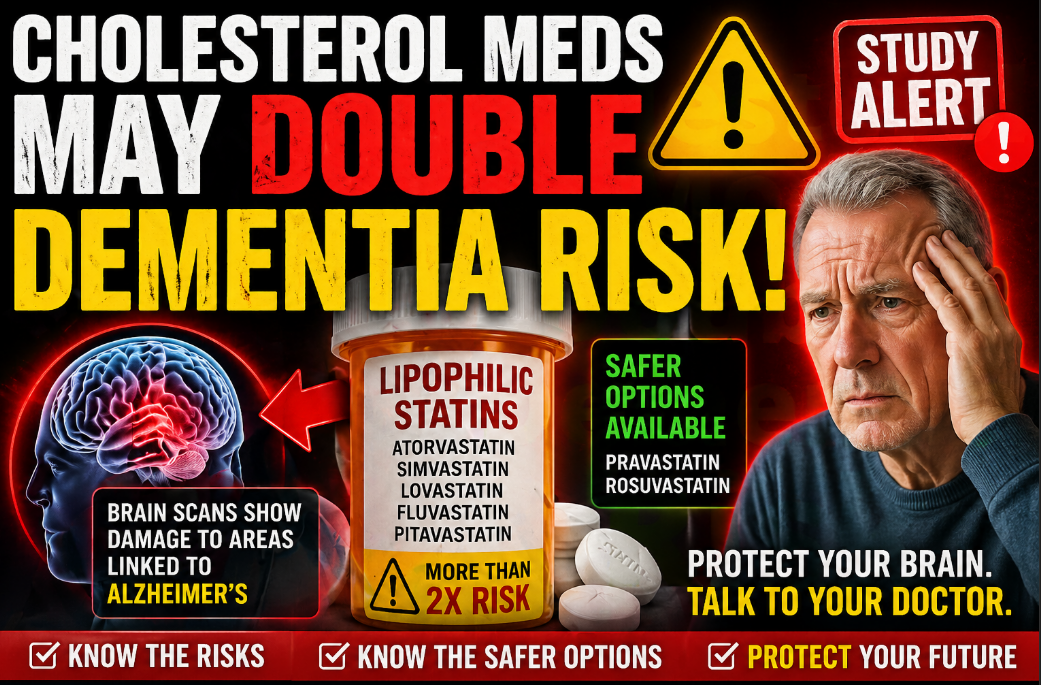
Cholesterol Medications and Dementia Risk: What You Need to Know Before Taking Statins
Cholesterol-lowering medications, particularly statins, are among the most commonly prescribed drugs in the United States. Millions of Americans rely on them to reduce the risk of heart attack and stroke. However, recent discussions and emerging research have raised concerns about a potential link between certain types of statins and an increased risk of cognitive decline, including dementia.
This article explores the relationship between cholesterol medications and brain health, focusing on the differences between lipophilic and hydrophilic statins, the latest scientific findings, possible mechanisms, and practical advice for patients.
Understanding Cholesterol and Why Statins Are Prescribed
Cholesterol is a fatty substance found in your blood. While your body needs some cholesterol to build healthy cells, high levels of low-density lipoprotein (LDL), often called “bad cholesterol,” can increase the risk of cardiovascular disease.
Statins are medications designed to lower LDL cholesterol levels. They work by inhibiting an enzyme in the liver responsible for cholesterol production. As a result, they help reduce plaque buildup in arteries and lower the risk of heart attacks and strokes.
Because of their proven cardiovascular benefits, statins are widely recommended for individuals with high cholesterol, diabetes, or a history of heart disease.
Types of Statins: Lipophilic vs. Hydrophilic
Not all statins are the same. They are broadly categorized into two groups based on how they dissolve and interact with the body:
Lipophilic Statins
Lipophilic statins are fat-soluble, meaning they can easily cross cell membranes, including the blood-brain barrier. Common examples include:
- Atorvastatin (Lipitor)
- Simvastatin (Zocor)
- Lovastatin (Mevacor)
- Fluvastatin (Lescol)
- Pitavastatin (Livalo)
Because they can enter brain tissue more readily, lipophilic statins may have a more direct effect on brain cells.
Hydrophilic Statins
Hydrophilic statins are water-soluble and are more selective in targeting the liver. They are less likely to cross into the brain. Examples include:
- Pravastatin (Pravachol)
- Rosuvastatin (Crestor)
These differences have led researchers to investigate whether the type of statin may influence cognitive health outcomes.

The Study: Increased Dementia Risk with Lipophilic Statins
Recent research has suggested a concerning association between lipophilic statins and cognitive decline. According to the findings, individuals with normal or only mildly impaired cognition who were taking lipophilic statins showed more than double the risk of developing dementia compared to those not taking these medications.
This finding has sparked debate within the medical community. While statins are known to reduce cardiovascular risk, their potential impact on brain health requires careful consideration.
It is important to note that this type of research often shows association rather than direct causation. However, the strength of the observed relationship is significant enough to warrant further investigation and awareness among patients and healthcare providers.
Brain Imaging Findings: What PET Scans Reveal
One of the most compelling aspects of this research comes from brain imaging studies. Positron Emission Tomography (PET) scans have been used to observe metabolic activity in the brain.
In individuals taking lipophilic statins, PET scans showed decreased metabolism in the posterior cingulate cortex. This region of the brain plays a critical role in memory and cognitive function and is one of the first areas affected in Alzheimer’s disease.
Reduced metabolic activity in this region is often considered an early marker of neurodegeneration. This finding suggests a possible biological mechanism linking certain statins to cognitive decline.
Possible Mechanisms Behind Cognitive Effects
While the exact cause is not fully understood, several theories attempt to explain how lipophilic statins might influence brain function:
1. Cholesterol and Brain Function
Cholesterol is essential for brain health. It plays a role in forming synapses, which are connections between neurons. Excessive reduction of cholesterol in the brain could potentially disrupt these connections and impair cognitive function.
2. Blood-Brain Barrier Penetration
Lipophilic statins can cross the blood-brain barrier more easily than hydrophilic statins. This means they may directly affect brain cells, potentially altering neuronal function or energy metabolism.
3. Mitochondrial Impact
Some researchers suggest that statins may affect mitochondria, the energy-producing structures in cells. Reduced mitochondrial function in brain cells could contribute to decreased metabolism and cognitive decline.
4. Inflammation and Neurochemistry
Statins influence inflammatory pathways and neurotransmitters. While these effects can be beneficial in some contexts, they may also have unintended consequences for brain chemistry.
Are Hydrophilic Statins a Safer Alternative?
In contrast to lipophilic statins, hydrophilic statins have not shown the same association with increased dementia risk in current studies.
Because they are more liver-selective and less likely to enter the brain, hydrophilic statins may pose a lower risk of cognitive side effects. This has led some healthcare providers to consider them as a potentially safer option for patients concerned about brain health.
However, it is essential to understand that all medications carry risks and benefits. The choice of statin should be individualized based on a patient’s overall health profile, cardiovascular risk, and tolerance to medication.
Balancing Heart Health and Brain Health
For many patients, statins provide life-saving benefits by reducing the risk of heart attack and stroke. Discontinuing or avoiding statins without medical guidance can be dangerous, especially for those at high cardiovascular risk.
The key is balance. Patients and doctors must weigh the cardiovascular benefits against any potential cognitive risks.
Factors to consider include:
- Age
- Baseline cognitive function
- Family history of dementia
- Cardiovascular risk level
- Response to different types of statins
Practical Advice for Patients
If you are currently taking or considering cholesterol-lowering medication, here are some important steps to follow:
1. Do Not Stop Medication Abruptly
Never stop taking statins without consulting your healthcare provider. Sudden discontinuation can increase your risk of serious cardiovascular events.
2. Discuss Your Concerns with Your Doctor
If you are worried about memory or cognitive changes, bring this up during your medical appointment. Your doctor can help evaluate whether your medication may be a contributing factor.
3. Consider Switching Statins
In some cases, your doctor may recommend switching from a lipophilic statin to a hydrophilic one, such as pravastatin or rosuvastatin.
4. Monitor Cognitive Function
Pay attention to any changes in memory, concentration, or mental clarity. Early detection of cognitive issues is important for effective management.
5. Maintain a Brain-Healthy Lifestyle
Medication is only one part of the equation. Supporting brain health through lifestyle choices is equally important:
- Eat a balanced diet rich in fruits, vegetables, and healthy fats
- Exercise regularly
- Get enough sleep
- Stay mentally and socially active
- Manage stress effectively
What the Medical Community Says
The relationship between statins and dementia remains a topic of ongoing research. Some studies have suggested protective effects of statins against dementia, while others highlight potential risks.
This inconsistency underscores the complexity of the issue. Differences in study design, populations, and types of statins used may contribute to varying results.
Major health organizations continue to recommend statins for individuals at risk of cardiovascular disease, emphasizing that the benefits generally outweigh the risks.
However, personalized medicine is becoming increasingly important. What works well for one patient may not be ideal for another.
The Importance of Informed Decision-Making
Healthcare decisions should always be based on accurate information and open communication with medical professionals.
Patients should feel empowered to ask questions such as:
- Which type of statin am I taking?
- Are there alternatives with fewer potential cognitive effects?
- How can we monitor my brain health over time?
By staying informed and proactive, patients can make better decisions about their health.
Conclusion
Cholesterol medications, particularly statins, play a vital role in preventing cardiovascular disease. However, emerging evidence suggests that certain types of statins, especially lipophilic ones, may be associated with an increased risk of cognitive decline and dementia in some individuals.
Brain imaging studies showing reduced metabolism in key regions associated with Alzheimer’s disease add weight to these concerns. At the same time, hydrophilic statins appear to offer a potentially safer alternative in terms of cognitive impact.
Despite these findings, statins remain an important tool in modern medicine. The goal is not to create fear, but to encourage informed discussions between patients and healthcare providers.
If you are taking cholesterol-lowering medication, do not make changes on your own. Instead, monitor your cognitive health, stay informed, and work closely with your doctor to find the best approach for both your heart and your brain.
Your long-term health depends on balancing risks and benefits carefully, and making decisions based on reliable evidence and professional guidance.

