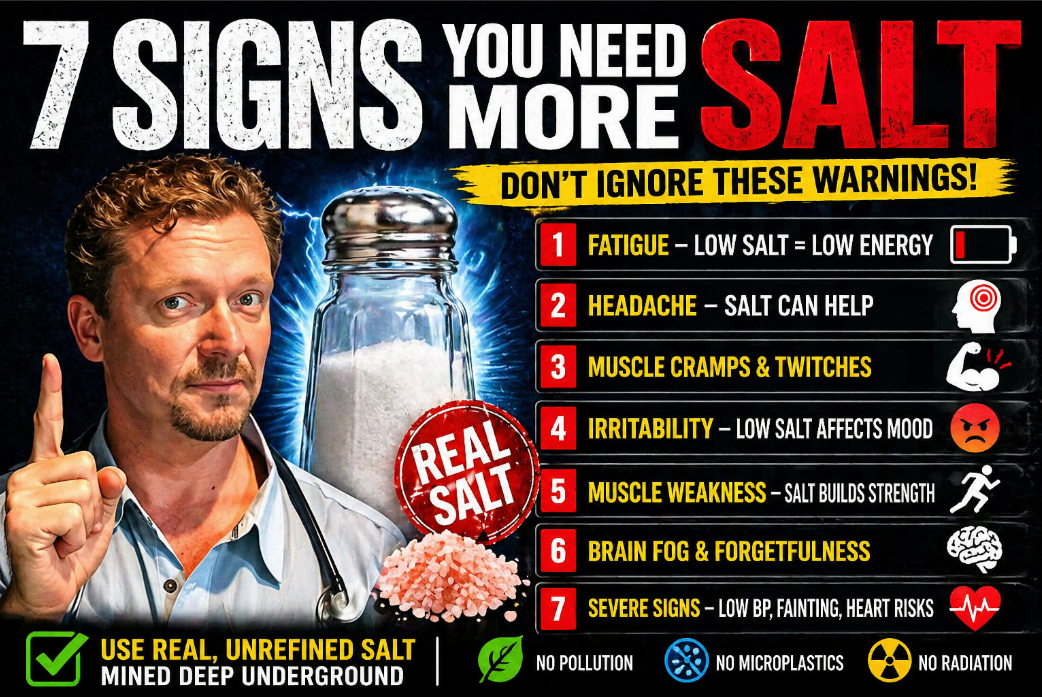
7 Signs You May Need More Salt: A Comprehensive Guide to Sodium, Health, and Daily Balance
Salt has long been a controversial topic in the world of health and nutrition. For decades, many people have been told to reduce their salt intake as much as possible. While excessive sodium consumption can indeed contribute to certain health issues, the opposite problem—too little salt—often goes overlooked.
Sodium is an essential electrolyte that plays a critical role in maintaining fluid balance, nerve function, and muscle contractions. When your body does not get enough salt, it can begin to show subtle and sometimes serious warning signs. Understanding these signals can help you maintain better overall health and avoid unnecessary discomfort.
In this article, we will explore seven key signs that may indicate you need more salt, explain why sodium is important, and provide practical guidance on how to maintain a healthy balance.
Why Salt Is Essential for Your Body
Before diving into the signs of low sodium, it is important to understand why salt matters.
Salt, or sodium chloride, is vital for several bodily functions:
- Regulating fluid balance in and out of cells
- Supporting nerve signal transmission
- Enabling proper muscle contraction and relaxation
- Maintaining stable blood pressure levels
- Supporting brain function and cognitive clarity
When sodium levels drop too low, a condition known as hyponatremia can occur. While severe cases are rare, mild sodium deficiency is more common than many people realize—especially among athletes, individuals on restrictive diets, or those who drink excessive amounts of water without replenishing electrolytes.

1. Persistent Fatigue and Low Energy
One of the most common signs of low salt intake is ongoing fatigue.
If you frequently feel tired despite getting enough sleep, sodium deficiency could be a contributing factor. Sodium helps regulate blood volume and circulation. When levels are too low, your blood pressure may drop, leading to reduced oxygen delivery to your tissues.
This can result in:
- Constant tiredness
- Lack of motivation
- Difficulty sustaining energy throughout the day
In some cases, adding a small amount of quality salt to your meals may help restore energy levels, especially if your diet has been very low in sodium.
2. Frequent Headaches
Regular headaches that are not migraines may also be linked to low sodium levels.
When sodium is insufficient, fluid balance in the body can become disrupted. This may lead to slight swelling or pressure changes that contribute to headaches.
People who experience:
- Dull, recurring headaches
- Headaches after heavy sweating
- Headaches during or after intense hydration
may benefit from evaluating their sodium intake.
In some cases, consuming foods naturally higher in sodium, such as broths or pickled vegetables, can provide relief.
3. Muscle Cramps, Twitches, and Spasms
Sodium plays a crucial role in muscle function. It works alongside other electrolytes like potassium and magnesium to regulate muscle contractions.
When sodium levels are low, you may experience:
- Muscle cramps, especially in the legs
- Involuntary muscle twitches
- Sudden spasms during exercise or at rest
These symptoms are particularly common among athletes or individuals who sweat heavily. When you lose sodium through sweat and do not replace it, your muscles may struggle to function properly.
Ensuring adequate salt intake can help maintain proper muscle performance and reduce discomfort.
4. Irritability and Mood Changes
Your mood is more closely tied to electrolyte balance than you might think.
Low sodium levels can affect the nervous system, potentially leading to:
- Irritability
- Increased stress sensitivity
- Mood swings
- Difficulty staying calm
Because sodium is essential for nerve signaling, a deficiency can disrupt communication between brain cells. This may lead to emotional instability or a general feeling of being “off.”
If you notice unexplained irritability alongside other symptoms, it may be worth considering whether your sodium intake is sufficient.
5. Muscle Weakness and Reduced Performance
Beyond cramps, low sodium can also cause noticeable muscle weakness.
This can manifest as:
- Reduced strength during workouts
- Difficulty lifting or performing physical tasks
- Faster fatigue during exercise
Athletes are particularly vulnerable to this issue, especially those who follow low-sodium diets or engage in endurance training.
Sodium helps maintain proper muscle contraction and hydration. Without enough of it, your muscles cannot perform at their best.
Adding appropriate amounts of salt to your diet may help improve strength, endurance, and overall physical performance.
6. Brain Fog and Forgetfulness
Cognitive function depends heavily on proper electrolyte balance.
Sodium is essential for neuron activity, which means low levels can affect how your brain processes information.
Common symptoms include:
- Difficulty concentrating
- Forgetfulness
- Mental fatigue
- Slower thinking
This condition, often referred to as “brain fog,” can interfere with daily productivity and decision-making.
If you are experiencing cognitive issues along with other signs of low sodium, adjusting your salt intake may help improve mental clarity.
7. Severe Warning Signs of Low Sodium
While mild sodium deficiency can cause discomfort, severe cases can be dangerous and require immediate attention.
Serious symptoms may include:
- Low blood pressure
- Dizziness or lightheadedness
- Fainting
- Confusion
- Worsening heart conditions
These symptoms should not be ignored. If you experience any of them, it is important to seek medical advice promptly.
Severe hyponatremia can be life-threatening if left untreated.
Who Is Most at Risk of Low Sodium?
Certain groups are more likely to experience sodium deficiency:
- Endurance athletes who sweat heavily
- Individuals on very low-sodium diets
- People who drink excessive amounts of water without electrolytes
- Those with certain medical conditions affecting fluid balance
- Individuals taking medications that alter sodium levels
If you fall into one of these categories, it is especially important to monitor your sodium intake carefully.
Choosing the Right Type of Salt
Not all salt is created equal.
Many health experts recommend using natural, minimally processed salt rather than highly refined table salt. Natural salts are often sourced from deep underground deposits and may contain trace minerals.
When selecting salt, consider options that are:
- Less processed
- Free from additives
- Sourced from clean environments
The goal is not to consume excessive salt, but to ensure you are getting enough of a quality source to support your body’s needs.
How Much Salt Do You Actually Need?
Salt requirements vary depending on factors such as:
- Age
- Activity level
- Climate
- Overall health
While general guidelines often recommend limiting sodium intake, these recommendations are not one-size-fits-all.
For example:
- Active individuals may need more sodium due to sweat loss
- People in hot climates may require additional salt
- Those with certain health conditions may need to adjust intake under medical guidance
The key is balance. Both too much and too little sodium can cause problems.
Practical Tips to Maintain Healthy Sodium Levels
Maintaining proper sodium balance does not have to be complicated. Here are some simple strategies:
- Listen to your body and pay attention to symptoms
- Add a moderate amount of salt to whole, unprocessed foods
- Replenish electrolytes after intense exercise or sweating
- Avoid excessive water intake without electrolyte support
- Include naturally salty foods like broths or fermented vegetables
These small adjustments can help you maintain energy, focus, and overall well-being.
Final Thoughts
Salt is not the enemy it is often made out to be. While excessive consumption can be harmful, insufficient intake can also lead to a range of physical and mental symptoms.
Fatigue, headaches, muscle issues, irritability, weakness, brain fog, and more serious warning signs may all indicate that your body needs more sodium.
The key is to approach salt intake with balance and awareness. By understanding your body’s signals and making thoughtful dietary choices, you can support optimal health and performance.
If you are unsure about your sodium needs or experience severe symptoms, consult a healthcare professional for personalized guidance.
Taking control of your electrolyte balance is a simple yet powerful step toward better health.

