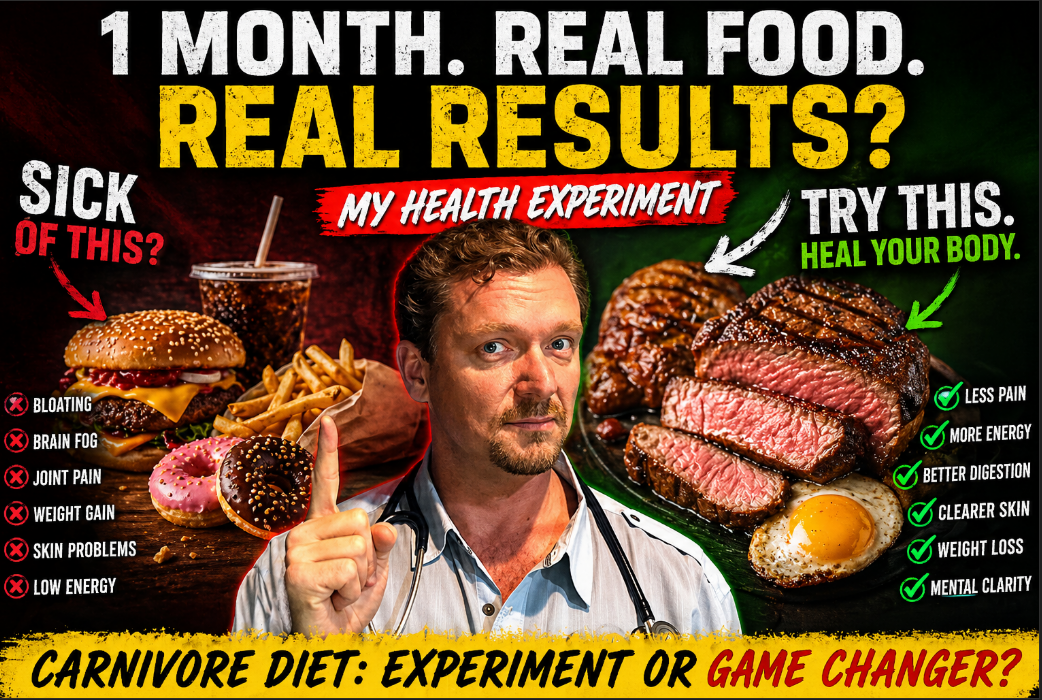
Considering the Carnivore Diet as a Health Experiment: Benefits, Risks, and What to Expect
The carnivore diet has gained increasing attention in recent years, especially among individuals struggling with chronic health issues that seem resistant to conventional treatments. While it remains controversial in mainstream nutrition circles, many people report significant improvements in their health after adopting this way of eating. Rather than viewing it as a permanent lifestyle change, some experts suggest approaching the carnivore diet as a short-term health experiment.
This article explores the concept of the carnivore diet, its potential benefits, who it might work best for, and how to safely try it as a 30-day experiment.
What Is the Carnivore Diet?
The carnivore diet is a highly restrictive eating pattern that includes only animal-based foods. This typically means consuming:
- Meat (beef, pork, lamb, poultry)
- Fish and seafood
- Eggs
- Animal fats (butter, tallow, lard)
All plant-based foods are eliminated, including vegetables, fruits, grains, legumes, nuts, and seeds. The idea behind this approach is simple: remove all potential dietary irritants and focus on nutrient-dense, bioavailable animal foods.
Why People Are Considering the Carnivore Diet
Many individuals turn to the carnivore diet after trying multiple other dietary approaches without success. A common progression looks like this:
- Starting with a standard diet
- Transitioning to Paleo
- Moving to low-carb, high-fat
- Trying a ketogenic diet
- Finally experimenting with carnivore
At each stage, people often notice incremental improvements in their health. The carnivore diet is sometimes seen as the final step in eliminating dietary triggers that may contribute to chronic inflammation and disease.

The Link Between Diet and Modern Health Problems
A growing number of health professionals argue that many modern diseases are closely tied to poor dietary habits. These conditions include:
- Acid reflux
- Allergies
- Joint pain
- Skin disorders such as eczema and acne
- Obesity
- Digestive issues
- Chronic fatigue
Conventional dietary guidelines often promote foods that may not work well for everyone, particularly processed carbohydrates and certain plant-based compounds that can trigger inflammation in sensitive individuals.
By removing these potential triggers, the carnivore diet aims to give the body a chance to reset.
Carnivore Diet as a 30-Day Experiment
One of the most practical ways to approach the carnivore diet is to treat it as a short-term experiment rather than a lifelong commitment. A 30-day trial allows individuals to observe how their body responds without making a permanent decision.
What to Expect During the First Month
During the initial phase, the body undergoes several adjustments:
Week 1: Adaptation Phase
- Cravings for sugar and carbohydrates may be strong
- Energy levels may fluctuate
- Some people experience fatigue or headaches
Week 2: Transition Phase
- Energy begins to stabilize
- Hunger levels may decrease
- Digestion starts to adapt
Week 3–4: Stabilization Phase
- Improved mental clarity
- More consistent energy levels
- Reduction in inflammation-related symptoms
Potential Benefits of the Carnivore Diet
Although scientific research on the carnivore diet is limited, anecdotal reports suggest a range of possible benefits.
1. Reduced Inflammation
Many people report a noticeable decrease in joint pain, swelling, and stiffness. This may be due to the elimination of plant compounds and processed foods that can trigger inflammatory responses.
2. Weight Loss
The carnivore diet is naturally low in carbohydrates and high in protein and fat, which can help regulate appetite and reduce overall calorie intake. Many individuals experience steady weight loss without needing to count calories.
3. Improved Digestion
By simplifying food choices and removing fiber-heavy and fermentable foods, some people find relief from bloating, gas, and other digestive issues.
4. Better Skin Health
Skin conditions such as acne, psoriasis, and eczema may improve as inflammation decreases and potential dietary irritants are removed.
5. Enhanced Mental Clarity
Stable blood sugar levels and reduced inflammation may contribute to improved focus, concentration, and overall cognitive function.
6. Increased Energy Levels
Once the body adapts to using fat as its primary fuel source, many people report sustained energy throughout the day without the crashes associated with carbohydrate-heavy diets.
Who Might Benefit the Most?
The carnivore diet may be particularly effective for individuals with certain genetic and ancestral backgrounds.
Genetic Factors
Some populations historically consumed diets rich in animal foods, including:
- Nordic populations
- Inuit communities
- Groups with higher levels of Neanderthal ancestry
These genetic factors may influence how efficiently the body processes animal-based nutrients.
Individuals with Chronic Conditions
People dealing with persistent health issues that have not responded to conventional treatments may find value in experimenting with a more restrictive diet to identify potential triggers.
The Lack of Formal Research
One of the main criticisms of the carnivore diet is the limited amount of scientific research supporting it. However, it is important to note that many widely accepted dietary guidelines also lack strong, long-term evidence.
Nutrition science is complex and often influenced by industry funding, cultural norms, and evolving data. As a result, personal experimentation and critical thinking can play an important role in finding what works best for an individual.
Risks and Considerations
While the carnivore diet may offer benefits for some, it is not without potential risks.
Nutrient Deficiencies
Eliminating plant foods may reduce intake of certain vitamins, minerals, and phytonutrients. However, proponents argue that animal foods provide most essential nutrients in highly bioavailable forms.
Digestive Changes
Some individuals may experience constipation or diarrhea during the transition period as the gut adapts to a low-fiber diet.
Social and Lifestyle Challenges
The restrictive nature of the diet can make social eating and dining out more difficult.
Long-Term Unknowns
Since there is limited long-term research, the effects of following a carnivore diet for years remain unclear.
How to Try the Carnivore Diet Safely
If you are considering a 30-day carnivore experiment, it is important to approach it thoughtfully.
1. Start Simple
Focus on basic foods such as:
- Beef
- Eggs
- Salt
- Water
You can gradually add variety once your body adapts.
2. Stay Hydrated
Proper hydration is essential, especially during the initial adaptation phase.
3. Listen to Your Body
Pay attention to how you feel. Keep track of:
- Energy levels
- Sleep quality
- Digestion
- Mood
- Physical symptoms
4. Avoid Overcomplicating
There is no need for complicated recipes or supplements at the beginning. Simplicity often leads to better results.
5. Consult a Healthcare Professional
If you have underlying health conditions or are taking medication, consult a qualified professional before making significant dietary changes.
Is the Carnivore Diet Right for You?
The carnivore diet is not a one-size-fits-all solution. While some individuals experience dramatic improvements, others may not see the same results.
The key idea is not to blindly follow any dietary trend but to remain curious and open-minded. Treating the carnivore diet as a structured experiment allows you to gather valuable information about your own body.
Final Thoughts
The carnivore diet challenges many conventional beliefs about nutrition, making it both intriguing and controversial. While scientific evidence is still emerging, personal experiences suggest that it may offer significant benefits for certain individuals, particularly those dealing with chronic inflammation and metabolic issues.
Rather than viewing it as a permanent commitment, consider trying it as a 30-day experiment. This approach allows you to evaluate its effects on your health without long-term pressure.
Ultimately, the goal is to find a way of eating that supports your well-being, improves your quality of life, and aligns with your individual needs. The carnivore diet may not be the answer for everyone, but for some, it could be a powerful tool in the journey toward better health.

