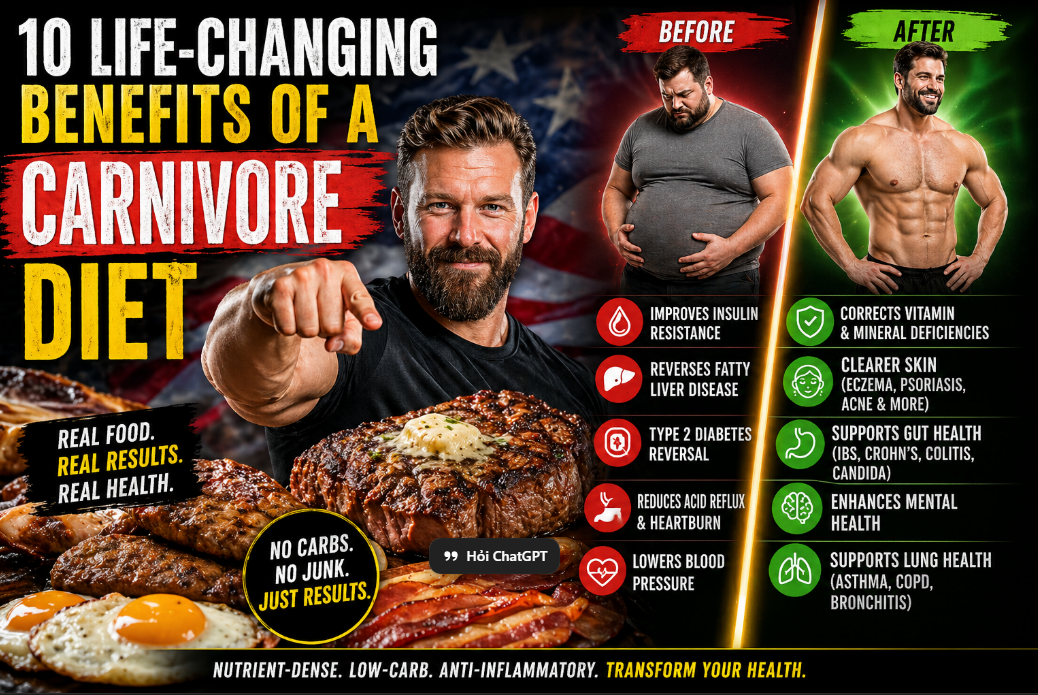
10 Benefits of a Carnivore Diet: A Comprehensive Guide to Health, Metabolism, and Wellness
The carnivore diet has gained significant attention in recent years as a powerful approach to improving overall health. Centered entirely on animal-based foods such as meat, fish, eggs, and certain animal fats, this diet eliminates carbohydrates and plant-based foods. While controversial, many individuals report remarkable improvements in chronic health conditions, metabolic function, and overall well-being.
In this in-depth guide, we will explore the 10 major benefits of a carnivore diet, backed by emerging research and anecdotal evidence. If you are considering a low-carb or zero-carb lifestyle, this article will help you understand how the carnivore diet may impact your body and health.
What Is the Carnivore Diet?
The carnivore diet is a dietary approach that focuses exclusively on animal products. Unlike ketogenic or low-carb diets, which still include some plant foods, the carnivore diet removes all carbohydrates and plant-based sources entirely.
Typical foods include:
- Beef, pork, lamb, and poultry
- Fish and seafood
- Eggs
- Animal fats such as butter or tallow
The core principle is simple: eliminate carbohydrates and rely on nutrient-dense animal foods to fuel the body.

1. Improves Insulin Resistance and Stabilizes Blood Sugar
One of the most widely reported benefits of the carnivore diet is improved insulin sensitivity. Insulin resistance is a major contributor to metabolic disorders, including obesity and type 2 diabetes.
By eliminating carbohydrates, the body no longer experiences frequent spikes in blood sugar. This leads to:
- More stable glucose levels
- Reduced insulin production
- Improved metabolic efficiency
When insulin levels stabilize, the body becomes more efficient at burning fat for energy. Many people report fewer energy crashes and more consistent mental clarity throughout the day.
2. May Reverse Fatty Liver Disease
Fatty liver disease, both alcoholic and non-alcoholic (NAFLD), is becoming increasingly common. It is often associated with high sugar intake, processed foods, and insulin resistance.
The carnivore diet may help reverse fatty liver disease by:
- Eliminating sugar and refined carbohydrates
- Reducing liver fat accumulation
- Improving insulin sensitivity
By shifting the body into a fat-burning state, the liver can gradually reduce stored fat and restore normal function.
3. Supports Type 2 Diabetes Reversal
Type 2 diabetes is closely linked to diet and lifestyle. One of the key drivers of this condition is chronic high blood sugar levels caused by excessive carbohydrate intake.
The carnivore diet removes carbohydrates entirely, which can:
- Normalize blood sugar levels
- Reduce dependence on medication
- Improve insulin function
Many individuals following a carnivore or very low-carb diet report significant improvements in their HbA1c levels and overall glucose control.
4. Reduces Acid Reflux and Heartburn
Chronic reflux, heartburn, and GERD (gastroesophageal reflux disease) affect millions of people. These conditions are often aggravated by processed foods, sugar, and certain plant compounds.
The carnivore diet may help alleviate these symptoms by:
- Removing trigger foods
- Reducing inflammation in the digestive tract
- Simplifying digestion
Some individuals report up to 80–100% improvement in reflux symptoms after switching to an all-meat diet.
5. Helps Lower Blood Pressure
Hypertension, or high blood pressure, is a major risk factor for heart disease and stroke. Diet plays a critical role in managing this condition.
The carnivore diet may contribute to lower blood pressure through:
- Reduced insulin levels
- Improved sodium balance
- Decreased inflammation
As metabolic health improves, many people find they can reduce or even eliminate blood pressure medications under medical supervision.
6. Corrects Vitamin and Mineral Deficiencies
Contrary to common belief, animal-based foods are extremely nutrient-dense. Meat, especially organ meats, contains essential vitamins and minerals in highly bioavailable forms.
Benefits include:
- Rich sources of iron, zinc, and B vitamins
- High-quality protein for tissue repair
- Absence of antinutrients that inhibit absorption
Unlike plant-based diets, which may require supplementation, the carnivore diet provides nutrients in forms the body can easily absorb and utilize.
7. Improves Skin Health
Skin conditions such as eczema, psoriasis, acne, and skin tags are often linked to inflammation and metabolic dysfunction.
The carnivore diet may improve skin health by:
- Reducing inflammation
- Stabilizing insulin levels
- Eliminating potential dietary irritants
Many people report clearer, healthier skin within weeks of adopting the diet.
8. Supports Gut Health
Digestive disorders such as IBS (irritable bowel syndrome), Crohn’s disease, ulcerative colitis, and candida overgrowth can significantly impact quality of life.
The carnivore diet simplifies digestion and removes many potential triggers:
- No fiber or plant compounds that irritate the gut
- Reduced fermentation in the digestive system
- Lower inflammation
Some individuals experience dramatic improvements, with symptom reductions ranging from 80–100%.
9. Enhances Mental Health
Mental health is deeply connected to nutrition. Conditions such as depression, anxiety, and eating disorders may be influenced by blood sugar instability and inflammation.
The carnivore diet may support mental well-being by:
- Stabilizing blood sugar levels
- Providing essential fatty acids for brain function
- Reducing systemic inflammation
Many followers report improved mood, focus, and emotional stability.
10. Supports Lung Health and Reduces Inflammation
Respiratory conditions such as asthma, chronic bronchitis, and COPD are often linked to inflammation in the body.
By removing inflammatory foods and improving overall nutrition, the carnivore diet may:
- Reduce airway inflammation
- Improve breathing function
- Support immune health
Better nutrition and reduced inflammation can contribute to improved respiratory performance over time.
The Anti-Inflammatory Power of the Carnivore Diet
One of the underlying themes across all these benefits is inflammation reduction. Chronic inflammation is associated with a wide range of diseases, including:
- Heart disease
- Diabetes
- Autoimmune conditions
- Neurodegenerative disorders
By eliminating processed foods, sugars, and plant-based irritants, the carnivore diet creates an environment where the body can heal and function more efficiently.
Is the Carnivore Diet Right for You?
While the carnivore diet offers many potential benefits, it may not be suitable for everyone. It is important to consider:
- Individual health conditions
- Nutritional needs
- Lifestyle preferences
Consulting with a healthcare professional before making significant dietary changes is strongly recommended.
Tips for Getting Started
If you are interested in trying the carnivore diet, consider these practical tips:
- Start simple: Focus on high-quality meats and eggs.
- Stay hydrated: Drink plenty of water and consider electrolyte balance.
- Listen to your body: Adjust food intake based on how you feel.
- Be patient: Adaptation may take several weeks.
- Avoid processed meats: Choose whole, natural animal products whenever possible.
Common Concerns About the Carnivore Diet
Is it nutritionally complete?
Animal foods provide most essential nutrients in highly bioavailable forms, especially when including organ meats.
What about fiber?
While fiber is often considered essential, some individuals thrive without it, especially when digestive issues are present.
Is it sustainable long-term?
Many people follow the carnivore diet long-term, while others use it as a short-term elimination diet to identify food sensitivities.
Final Thoughts
The carnivore diet represents a radical shift from conventional dietary guidelines, yet its potential benefits cannot be ignored. From improving insulin resistance and reversing fatty liver disease to enhancing mental clarity and skin health, this approach offers a unique perspective on nutrition and healing.
At its core, the carnivore diet is:
- Nutrient-dense
- Low in carbohydrates
- Highly anti-inflammatory
For individuals struggling with chronic conditions, metabolic disorders, or unexplained health issues, it may be worth exploring under proper guidance.
As with any diet, the key is personalization. What works for one person may not work for another. However, the growing number of success stories suggests that the carnivore diet deserves serious consideration in the conversation about modern health and nutrition.

