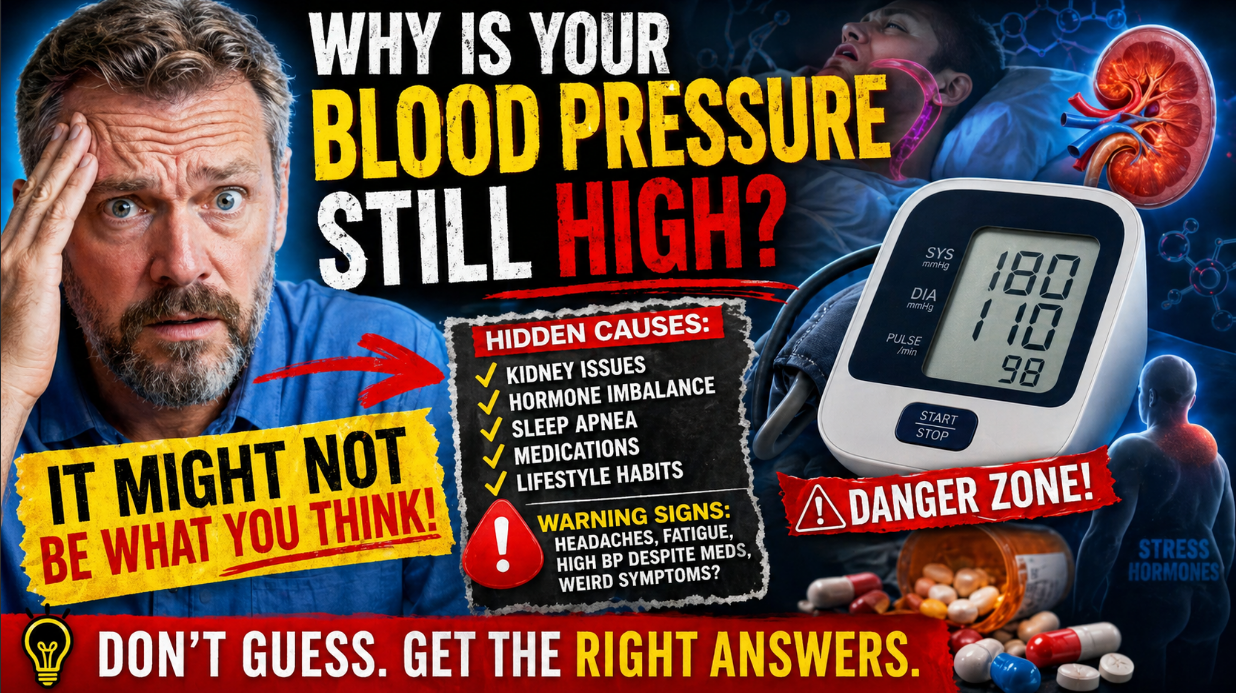
Hidden Causes of High Blood Pressure (Secondary Hypertension): What You Need to Know
High blood pressure, also known as hypertension, is one of the most common health conditions worldwide. Millions of people are diagnosed every year, yet many still struggle to control it despite medication, diet changes, and lifestyle improvements. If your blood pressure remains high no matter what you try, there may be something deeper going on.
This article explores the hidden causes of high blood pressure, particularly secondary hypertension, and how it differs from primary hypertension. Understanding the root cause is essential for effective treatment and long-term health.
Understanding Hypertension: Primary vs. Secondary
Before diving into hidden causes, it is important to understand the two main types of hypertension.
Primary (Essential) Hypertension
Primary hypertension is the most common type, accounting for the majority of cases. It develops gradually over time and does not have a single identifiable cause. Instead, it is influenced by a combination of factors such as:
- Diet, especially high sugar and processed foods
- Sedentary lifestyle
- Insulin resistance or hyperinsulinemia
- Genetics
- Chronic stress
Many experts believe that elevated insulin levels play a major role in primary hypertension. Diets such as low-carb, ketogenic, or carnivore approaches have been shown to help some individuals improve blood pressure by reducing insulin spikes.
Secondary Hypertension
Secondary hypertension, on the other hand, has a specific, identifiable cause. It accounts for approximately 20 percent of hypertension cases. Unlike primary hypertension, this type often requires targeted investigation and treatment.
If the underlying condition is addressed, blood pressure can often improve significantly or even return to normal.

Hidden Causes of Secondary Hypertension
Secondary hypertension can be caused by a wide range of medical conditions. Below are the most common categories.
1. Kidney Disorders
The kidneys play a central role in regulating blood pressure. When they are not functioning properly, blood pressure can rise.
Common kidney-related causes include:
- Chronic kidney disease
- Renal artery stenosis (narrowing of the arteries supplying the kidneys)
- Polycystic kidney disease
When kidney function declines, the body retains more sodium and fluid, leading to increased blood pressure. Additionally, hormonal signals that regulate blood pressure can become imbalanced.
2. Hormonal and Endocrine Disorders
Hormones control many critical functions in the body, including blood pressure. Disruptions in hormone levels can lead to hypertension.
Examples include:
- Thyroid disorders (both hyperthyroidism and hypothyroidism)
- Adrenal gland disorders
- Primary aldosteronism (excess aldosterone production)
Primary aldosteronism is particularly important because it causes the body to retain sodium and lose potassium, leading to persistent high blood pressure that is often resistant to treatment.
3. Sleep Disorders
Obstructive sleep apnea is a major but often overlooked cause of high blood pressure.
In this condition, breathing repeatedly stops and starts during sleep, leading to:
- Reduced oxygen levels
- Increased stress hormones
- Activation of the sympathetic nervous system
Over time, this contributes to sustained high blood pressure and increases the risk of cardiovascular disease.
4. Medication-Induced Hypertension
Certain medications can raise blood pressure as a side effect. Many people are unaware that their prescriptions may be contributing to the problem.
Common culprits include:
- Nonsteroidal anti-inflammatory drugs (NSAIDs)
- Steroids
- Antidepressants such as SSRIs, SNRIs, and tricyclics
- Hormone therapies (estrogen and progesterone)
- Amphetamines
- Cyclosporin
- Antihistamines and decongestants
If your blood pressure increased after starting a new medication, it is worth discussing with your doctor.
5. Lifestyle Factors
While lifestyle is often associated with primary hypertension, certain habits can also contribute to secondary hypertension.
Key factors include:
- Chronic nicotine use
- Excessive alcohol consumption
Both substances can damage blood vessels, disrupt hormone balance, and increase blood pressure over time.
Warning Signs of Secondary Hypertension
Secondary hypertension often presents differently from primary hypertension. Recognizing the warning signs can help you identify when further investigation is needed.
1. Blood Pressure That Is Extremely High or Hard to Control
If your blood pressure remains high despite:
- Following a healthy diet
- Taking multiple medications
- Making lifestyle changes
This could indicate an underlying cause.
2. Unusual Blood Pressure Patterns
Fluctuating or unpredictable blood pressure readings may suggest that something more complex is happening in the body.
3. Abnormal Lab Results
Certain lab findings can point toward secondary causes, such as:
- Elevated creatinine levels (indicating kidney issues)
- Electrolyte imbalances, especially low potassium
- Hormonal abnormalities
4. Physical Exam Findings
Doctors may detect unusual signs during an exam, including:
- Abnormal pulses
- Heart murmurs
- Signs of fluid retention
5. Specific Symptoms
Some symptoms are particularly associated with secondary hypertension, including:
- Irregular heartbeat
- Excessive sweating
- Sleep disturbances or snoring (possible sleep apnea)
- Changes in body fat distribution (such as central obesity or a buffalo hump)
- Stretch marks on the skin
These symptoms should not be ignored, especially when combined with high blood pressure.
Why Proper Diagnosis Matters
Many people are treated for hypertension without ever investigating the underlying cause. While medication can help manage symptoms, it may not address the root problem.
Failing to diagnose secondary hypertension can lead to:
- Persistent high blood pressure
- Increased risk of heart attack and stroke
- Progressive organ damage
On the other hand, identifying the cause can lead to more effective treatment and, in some cases, complete resolution of the condition.
When to Investigate Further
You should consider further evaluation if:
- Your blood pressure remains high despite treatment
- You require multiple medications to control it
- You experience unusual symptoms
- Your doctor cannot identify a clear cause
In these cases, additional testing may include:
- Blood and urine tests
- Imaging studies of the kidneys or adrenal glands
- Sleep studies for suspected sleep apnea
- Hormonal evaluations
Who Should You Consult?
If primary care evaluation does not provide answers, it is important to seek specialist care.
Cardiologist
A cardiologist specializes in heart and blood vessel conditions and can help evaluate complex hypertension cases.
Endocrinologist
An endocrinologist focuses on hormone-related disorders and is essential when hormonal imbalances are suspected.
Working with the right specialist can significantly improve diagnosis and treatment outcomes.
Lifestyle and Dietary Considerations
Even when dealing with secondary hypertension, lifestyle plays a crucial role in overall health.
Focus on a Nutrient-Dense Diet
A diet that prioritizes whole, unprocessed foods can support better blood pressure control. Many individuals benefit from reducing refined carbohydrates and sugars.
Low-carb or ketogenic diets may help regulate insulin levels, which is particularly important in primary hypertension.
Reduce Harmful Substances
Limiting or eliminating:
- Tobacco
- Alcohol
can have a significant impact on blood pressure and overall cardiovascular health.
Improve Sleep Quality
If sleep apnea is suspected, seeking treatment can dramatically improve blood pressure and energy levels.
Final Thoughts
High blood pressure is not always a simple condition. While primary hypertension is common, a significant number of cases are caused by underlying medical issues that require targeted treatment.
If your blood pressure remains high despite doing everything right, it is time to look deeper. Secondary hypertension is often overlooked, but identifying the root cause can change everything.
Do not settle for symptom management alone. Work with your healthcare provider to investigate possible underlying causes, and consider consulting specialists if necessary.
Taking a proactive approach can help you regain control of your health, reduce your risk of complications, and improve your quality of life.

:%20What%20You%20Need%20to%20Know)