Iron Deficiency Anemia: Causes, Symptoms, and the Most Effective Solutions Backed by Science
Iron deficiency anemia is one of the most common nutritional deficiencies in the world, affecting millions of people across all age groups. Despite its prevalence, many individuals remain unaware of its causes, symptoms, and the most effective ways to treat it. This article provides a comprehensive, evidence-based guide to understanding iron deficiency anemia and how to address it effectively, with practical recommendations you can apply immediately.
What Is Iron Deficiency Anemia?
Iron deficiency anemia occurs when your body lacks sufficient iron to produce adequate levels of hemoglobin. Hemoglobin is a protein in red blood cells responsible for carrying oxygen throughout the body. Without enough iron, your body struggles to deliver oxygen efficiently, leading to fatigue and a range of other symptoms.
Common Causes of Iron Deficiency
Understanding the root cause of iron deficiency is essential for proper treatment. There are three primary reasons why iron levels may become depleted:
1. Inadequate Iron Intake
Many people simply do not consume enough iron-rich foods. This is especially common in individuals following restrictive diets or those who rely heavily on plant-based foods without proper planning.
2. Poor Iron Absorption
Even if your diet contains iron, your body may not absorb it efficiently. Factors that can impair absorption include:
- Digestive disorders such as celiac disease or Crohn’s disease
- Low stomach acid levels
- Use of acid-blocking medications like proton pump inhibitors
3. Blood Loss
Chronic or acute blood loss is a major contributor to iron deficiency. Common sources include:
- Heavy menstrual periods
- Gastrointestinal bleeding
- Frequent blood donation
- Surgery or injury
Recognizing the Symptoms of Iron Deficiency Anemia
Iron deficiency often develops gradually, making it easy to overlook. However, early recognition can prevent more severe complications. Common symptoms include:
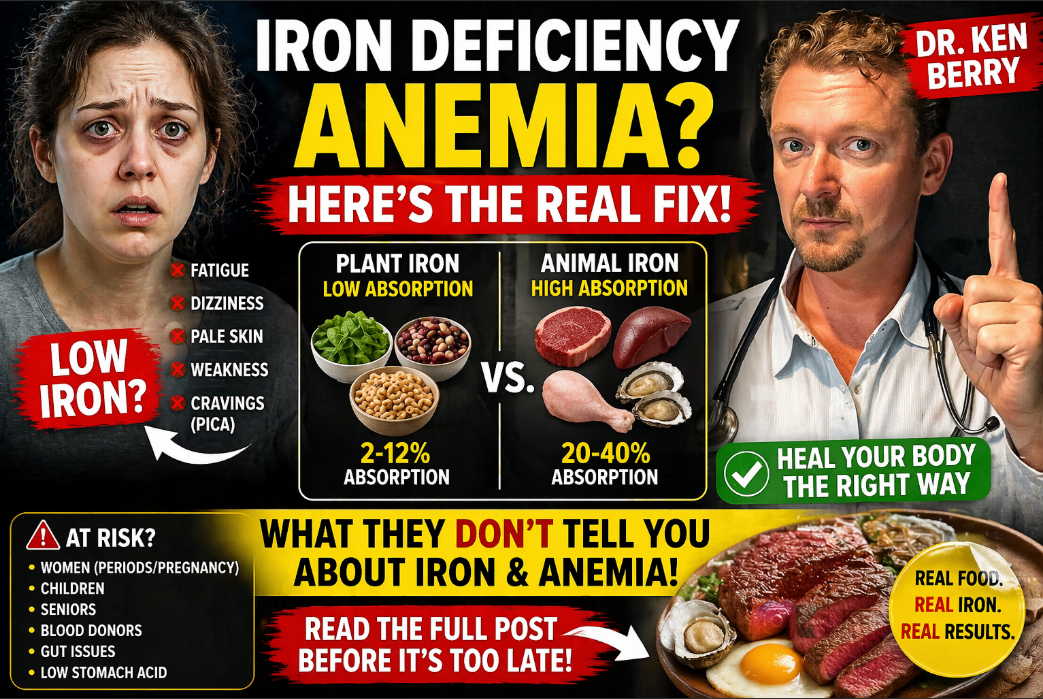
- Persistent fatigue and low energy
- Weakness and reduced physical performance
- Pale skin and brittle nails
- Dizziness or lightheadedness
- Shortness of breath
- Cold hands and feet
- Unusual cravings, such as ice, dirt, or clay (a condition known as pica)
- Tingling or restless sensations in the legs
If you experience several of these symptoms, it is important to consult a healthcare professional for proper evaluation.
The Science of Iron Absorption
Not all iron is created equal. One of the most overlooked aspects of treating iron deficiency is understanding how different types of iron are absorbed in the body.
Heme Iron vs. Non-Heme Iron
Iron in food comes in two forms:
Heme Iron (Animal-Based):
- Found in meat, liver, poultry, fish, and shellfish
- Highly bioavailable
- Absorption rate: approximately 20–40%
Non-Heme Iron (Plant-Based):
- Found in spinach, beans, lentils, and fortified cereals
- Lower bioavailability
- Absorption rate: approximately 2–12%
This difference is significant. Even if plant-based foods contain iron, your body absorbs only a small fraction compared to animal sources.
Why Plant-Based Iron May Not Be Enough
Many people believe that eating iron-rich plant foods like spinach or legumes is sufficient to correct anemia. However, this is often not the case.
Plant-based iron is less efficiently absorbed due to compounds like phytates and oxalates, which inhibit absorption. As a result, individuals relying solely on plant sources may struggle to restore adequate iron levels, especially if they already have a deficiency.
This does not mean plant foods are unhealthy. They offer many benefits. However, when it comes to treating iron deficiency anemia, relying on them alone may not be the most effective approach.
The Role of Animal-Based Foods in Treating Anemia
Animal-based foods provide heme iron, which is far more easily absorbed by the body. This makes them particularly effective for correcting iron deficiency.
Top Sources of Highly Absorbable Iron
- Beef and red meat
- Liver and organ meats
- Poultry such as chicken and turkey
- Seafood including oysters and clams
- Eggs
Among these, liver stands out as one of the most nutrient-dense foods available, containing high levels of iron along with vitamins A and B12.
The “Therapeutic Meat” Concept
For individuals who follow vegetarian or vegan diets for ethical or religious reasons, addressing iron deficiency can be challenging. In some cases, adding small amounts of animal-based foods temporarily may be necessary to restore iron levels effectively.
This concept is sometimes referred to as “therapeutic meat,” where the goal is not long-term dietary change but targeted nutritional intervention for health.
If incorporating animal products is not an option, supplementation and careful dietary planning become even more critical.
Who Is Most at Risk?
Certain groups are more vulnerable to developing iron deficiency anemia and should be especially mindful of their iron intake:
1. Women of Reproductive Age
Menstruation increases iron loss, making women more susceptible to deficiency.
2. Pregnant Women
Iron needs increase significantly during pregnancy to support fetal development.
3. Children and Adolescents
Rapid growth requires higher iron intake.
4. Older Adults
Reduced absorption and dietary changes can contribute to deficiency.
5. Frequent Blood Donors
Regular blood donation can deplete iron stores.
6. Individuals With Digestive Disorders
Conditions affecting the gut can impair iron absorption.
7. People Taking Acid-Reducing Medications
Low stomach acid can reduce iron absorption efficiency.
Practical Strategies to Improve Iron Levels
Addressing iron deficiency requires a combination of dietary changes, lifestyle adjustments, and sometimes medical treatment.
1. Prioritize Heme Iron Sources
If possible, include iron-rich animal foods in your diet, especially during recovery from anemia.
2. Combine Foods Strategically
Vitamin C enhances iron absorption. Pair iron-rich foods with:
- Citrus fruits
- Bell peppers
- Tomatoes
3. Avoid Inhibitors During Meals
Certain substances can reduce iron absorption:
- Tea and coffee
- Calcium-rich foods
- High-phytate grains
Try to consume these separately from iron-rich meals.
4. Consider Iron Supplements
In moderate to severe cases, supplements may be necessary. Always consult a healthcare provider before starting supplementation, as excess iron can be harmful.
5. Address Underlying Causes
If your deficiency is due to blood loss or a medical condition, treating the root cause is essential for long-term recovery.
When to See a Doctor
If you suspect iron deficiency anemia, seek medical advice. A simple blood test can confirm your iron levels and help determine the best course of treatment.
You should especially consult a doctor if:
- Symptoms persist or worsen
- You belong to a high-risk group
- You are pregnant or planning pregnancy
- You experience unexplained fatigue or weakness
Myths and Misconceptions About Iron Deficiency
Myth 1: Spinach Alone Can Fix Anemia
While spinach contains iron, its absorption rate is low due to oxalates.
Myth 2: All Iron Sources Are Equal
Heme iron is significantly more absorbable than non-heme iron.
Myth 3: Supplements Are Always Enough
Without addressing diet and underlying causes, supplements alone may not fully resolve the issue.
Long-Term Prevention
Preventing iron deficiency anemia is easier than treating it. Here are some long-term strategies:
- Maintain a balanced diet with adequate iron intake
- Monitor your health if you are in a high-risk group
- Get regular check-ups and blood tests when needed
- Be mindful of symptoms and act early
Final Thoughts
Iron deficiency anemia is a common but manageable condition. The key to effective treatment lies in understanding how iron works in the body, recognizing the importance of absorption, and choosing the right dietary sources.
Animal-based iron sources offer the most efficient way to restore iron levels, especially in cases of deficiency. While plant-based foods can contribute to overall health, they may not be sufficient on their own for therapeutic purposes.
If you are experiencing symptoms or belong to a high-risk group, take proactive steps to evaluate and improve your iron status. With the right approach, you can restore your energy, improve your health, and prevent future complications.
Always consult with a qualified healthcare professional before making significant dietary or medical changes.

