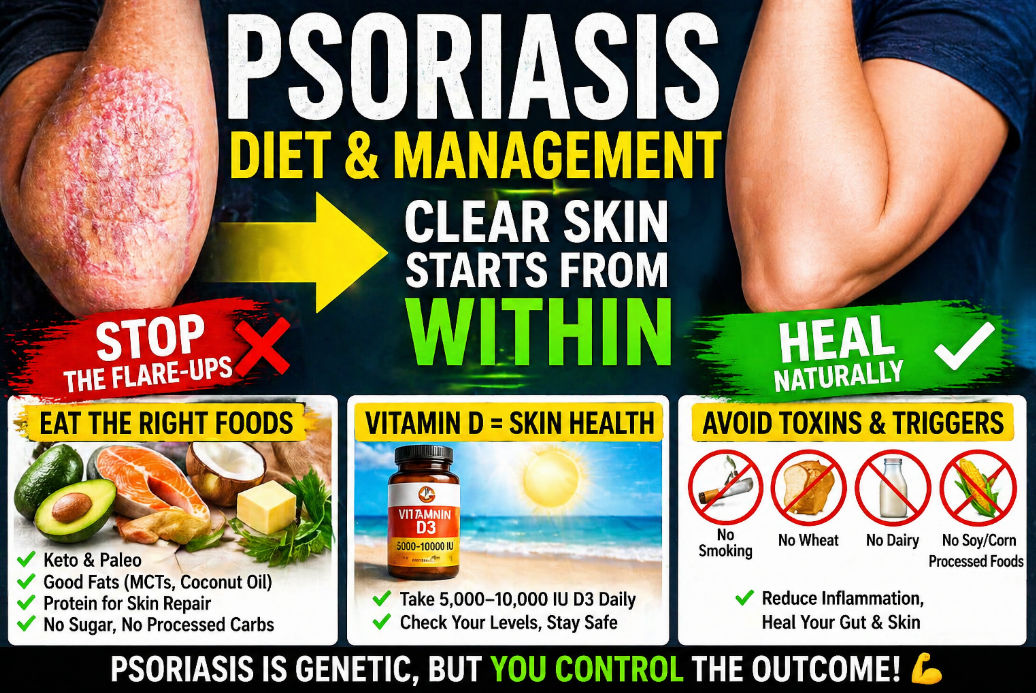
Psoriasis Diet & Management: A Natural Approach to Healthier Skin
Psoriasis is a chronic autoimmune skin condition that affects millions of people worldwide. Characterized by red, inflamed patches covered with silvery scales, it can be physically uncomfortable and emotionally distressing. While conventional treatments such as topical creams, phototherapy, and immunosuppressive medications are commonly prescribed, many individuals are now exploring natural strategies to manage symptoms more effectively.
One of the most promising approaches is focusing on internal health through diet, lifestyle changes, and proper nutrient intake. This article explores how a well-structured psoriasis diet and toxin-free lifestyle can help reduce flare-ups, support skin regeneration, and improve overall well-being.
Understanding Psoriasis: More Than Just a Skin Condition
Psoriasis is not simply a surface-level skin issue. It is a complex immune-mediated condition where the immune system mistakenly attacks healthy skin cells, accelerating their life cycle. This results in a buildup of cells on the surface of the skin, forming the characteristic plaques.
While genetics play a significant role in determining who develops psoriasis, environmental and lifestyle factors largely influence the severity and frequency of flare-ups. This means that although psoriasis may not be entirely curable, it can often be managed and significantly improved through the right interventions.

The Core Principle: Healing from Within
A growing body of research and anecdotal evidence suggests that improving internal health can lead to visible improvements in psoriasis symptoms. Rather than relying solely on external treatments, the focus shifts toward nourishing the body, reducing inflammation, and eliminating triggers that worsen the condition.
The central idea is simple: healthy skin begins from within. By optimizing your diet, supporting your immune system, and avoiding harmful substances, you create an environment where your body can better regulate inflammation and repair damaged skin.
The Role of Diet in Psoriasis Management
Diet is one of the most powerful tools in managing psoriasis naturally. Certain foods can either promote inflammation or help reduce it. Adopting an anti-inflammatory diet can make a noticeable difference in symptom severity.
1. Embrace a Keto or Paleo-Style Diet
Two dietary approaches that have gained popularity among individuals with psoriasis are the ketogenic (keto) diet and the paleo diet. Both emphasize whole, unprocessed foods and reduce the intake of inflammatory carbohydrates.
A keto diet focuses on high fat, moderate protein, and very low carbohydrate intake. This encourages the body to enter a state of ketosis, where it burns fat for energy instead of glucose. This metabolic shift may help reduce systemic inflammation.
The paleo diet, on the other hand, emphasizes foods that were presumably available to early humans, such as meats, fish, vegetables, fruits, nuts, and seeds, while eliminating processed foods, grains, and dairy.
Both approaches share key benefits:
- Reduction in sugar and refined carbohydrate intake
- Increased consumption of nutrient-dense whole foods
- Lower levels of inflammation in the body
2. Prioritize Healthy Fats
Healthy fats play a crucial role in maintaining skin integrity and reducing inflammation. Incorporating the right types of fats into your diet can support skin healing and improve overall health.
Examples of beneficial fats include:
- Medium-chain triglycerides (MCTs)
- Coconut oil
- Grass-fed butter
- Avocados
- Olive oil
These fats provide essential fatty acids that help maintain the skin barrier and reduce dryness and irritation.
3. Ensure Adequate Protein Intake
Protein is essential for tissue repair and regeneration. Since psoriasis involves rapid skin cell turnover, the body requires sufficient protein to support healthy skin renewal.
High-quality protein sources include:
- Grass-fed meats
- Wild-caught fish
- Eggs
- Plant-based proteins such as lentils and legumes (if tolerated)
Consuming adequate protein helps the body rebuild damaged tissues and maintain strong, healthy skin.
4. Eliminate Sugar and Processed Carbohydrates
Sugar and refined carbohydrates are among the biggest dietary triggers for inflammation. These foods can spike blood sugar levels, leading to increased insulin production and inflammatory responses.
Common foods to avoid include:
- Sugary drinks and desserts
- White bread and pasta
- Processed snacks
- Packaged foods with added sugars
Reducing or eliminating these foods can help stabilize blood sugar and reduce flare-ups.
Vitamin D: A Key Nutrient for Skin Health
Vitamin D plays a critical role in immune regulation and skin health. Many individuals with psoriasis are found to have low levels of vitamin D, which may contribute to symptom severity.
Benefits of Vitamin D for Psoriasis
- Helps regulate immune system activity
- Reduces inflammation
- Supports skin cell growth and repair
- May decrease the frequency of flare-ups
Recommended Intake
Daily supplementation of vitamin D3, typically in the range of 5,000 to 10,000 IU, is often suggested for individuals with psoriasis. However, it is essential to monitor blood levels regularly to avoid toxicity.
Sun exposure is another natural way to boost vitamin D levels, though it should be done safely to prevent skin damage.
Avoiding Toxins and Inflammatory Triggers
In addition to diet, reducing exposure to harmful substances is crucial in managing psoriasis. Toxins and inflammatory triggers can worsen symptoms and disrupt the body’s natural healing processes.
1. Quit Smoking and Tobacco Use
Smoking is strongly associated with increased severity of psoriasis. It promotes inflammation, impairs immune function, and reduces the skin’s ability to heal.
Quitting smoking can lead to significant improvements in overall health and may reduce the frequency and intensity of psoriasis flare-ups.
2. Eliminate Common Inflammatory Foods
Certain foods are known to trigger inflammation and may worsen psoriasis symptoms in sensitive individuals. These include:
- Wheat and gluten-containing grains
- Dairy products
- Soy
- Corn
- Highly processed foods
Eliminating these foods, at least temporarily, can help identify personal triggers and reduce inflammation in both the gut and skin.
3. Support Gut Health
There is a strong connection between gut health and skin health, often referred to as the gut-skin axis. An unhealthy gut can contribute to systemic inflammation, which may manifest as skin conditions like psoriasis.
Improving gut health involves:
- Eating fiber-rich foods
- Consuming fermented foods such as yogurt or sauerkraut
- Avoiding processed and inflammatory foods
- Staying hydrated
A balanced gut microbiome can help regulate immune responses and reduce inflammation throughout the body.
Lifestyle Factors That Influence Psoriasis
Beyond diet and nutrition, several lifestyle factors can impact psoriasis severity.
1. Stress Management
Stress is a well-known trigger for psoriasis flare-ups. Chronic stress can weaken the immune system and increase inflammation.
Effective stress management techniques include:
- Meditation and mindfulness practices
- Regular physical activity
- Deep breathing exercises
- Adequate sleep
2. Regular Exercise
Exercise helps reduce inflammation, improve circulation, and support overall health. It also plays a role in maintaining a healthy weight, which is important for managing psoriasis.
Moderate activities such as walking, swimming, or yoga can be particularly beneficial.
3. Quality Sleep
Sleep is essential for healing and immune function. Poor sleep can exacerbate inflammation and increase the likelihood of flare-ups.
Aim for 7 to 9 hours of quality sleep per night to support recovery and overall health.
Rethinking Conventional Treatments
While topical creams and medications can provide temporary relief, they often do not address the root causes of psoriasis. In some cases, long-term use of immunosuppressive drugs may come with side effects.
A natural approach that focuses on diet, nutrients, and toxin avoidance offers a complementary strategy. It empowers individuals to take control of their health and address the condition from the inside out.
This does not mean abandoning medical treatments entirely, but rather integrating lifestyle changes to enhance overall effectiveness and reduce dependency on medications.
Can Diet Really Improve Psoriasis?
Although psoriasis is influenced by genetics, its severity is not fixed. Many people experience significant improvements by making targeted dietary and lifestyle changes.
Benefits of a natural approach may include:
- Reduced inflammation
- Fewer and less severe flare-ups
- Improved skin appearance
- Better overall health and energy levels
It is important to note that results can vary from person to person. What works for one individual may not work for another, which is why a personalized approach is essential.
Practical Tips for Getting Started
If you are considering a natural approach to managing psoriasis, here are some practical steps to begin:
- Start by eliminating sugar and processed foods from your diet.
- Gradually transition to a whole-food, low-carb eating plan.
- Incorporate healthy fats and adequate protein into every meal.
- Consider vitamin D supplementation under medical supervision.
- Identify and eliminate potential food triggers.
- Quit smoking and reduce exposure to environmental toxins.
- Prioritize sleep, stress management, and regular exercise.
Keeping a food and symptom journal can also help you track progress and identify patterns.
Final Thoughts
Psoriasis is a complex condition, but it is not entirely beyond your control. While genetics may determine your predisposition, your daily choices play a powerful role in shaping the outcome.
By focusing on a nutrient-rich diet, maintaining adequate vitamin D levels, and avoiding toxins, you can create a strong foundation for healthier skin. This inside-out approach not only addresses psoriasis symptoms but also enhances overall well-being.
Instead of relying solely on external treatments, consider embracing a holistic strategy that supports your body’s natural ability to heal. With consistency and the right approach, it is possible to reduce flare-ups and regain confidence in your skin.

