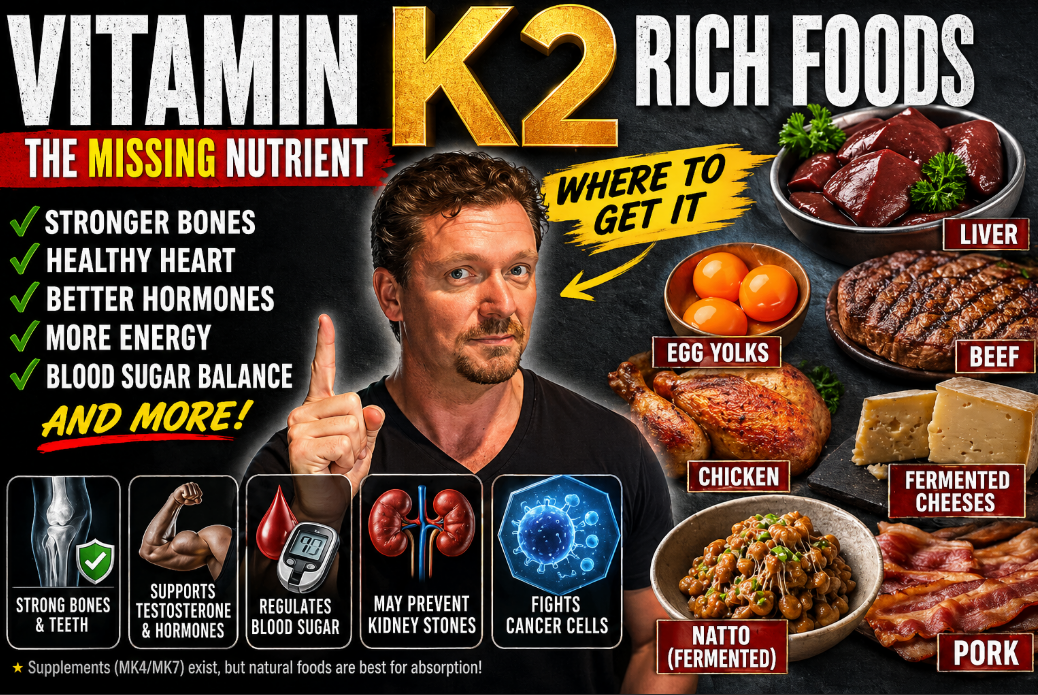
Vitamin K2 Rich Foods: Benefits, Sources, and Why Your Body Needs It
Vitamin K2 is one of the most overlooked nutrients in modern nutrition, yet it plays a crucial role in maintaining overall health. While many people are familiar with vitamins like C, D, or B-complex, Vitamin K2 often remains underappreciated despite its powerful effects on bones, heart health, hormones, and metabolic function.
In this comprehensive guide, we will explore the benefits of Vitamin K2, the best food sources, how it works in the body, and why choosing natural foods over supplements may be the best approach for long-term health.
What Is Vitamin K2?
Vitamin K2 is a fat-soluble vitamin that belongs to the Vitamin K family. It differs from Vitamin K1, which is mainly involved in blood clotting. Vitamin K2, on the other hand, plays a key role in directing calcium to the right places in the body, such as bones and teeth, while preventing it from accumulating in arteries and soft tissues.
There are several forms of Vitamin K2, but the most important ones are:
- MK-4 (found in animal-based foods)
- MK-7 (found in fermented foods)
Both forms contribute to health, but they differ in how long they stay active in the body.

Key Benefits of Vitamin K2
1. Strengthens Bones and Teeth
One of the most well-known benefits of Vitamin K2 is its ability to improve bone health. It activates proteins like osteocalcin, which help bind calcium to the bone matrix. This process increases bone density and reduces the risk of fractures and osteoporosis.
For teeth, Vitamin K2 supports the remineralization process, helping to maintain strong enamel and prevent decay.
2. Supports Heart Health
Vitamin K2 helps prevent calcium from depositing in the arteries. Without sufficient K2, calcium can accumulate in blood vessels, leading to arterial stiffness and increasing the risk of cardiovascular disease.
By guiding calcium into bones and away from arteries, Vitamin K2 plays a protective role in maintaining a healthy heart.
3. Improves Exercise Performance
Vitamin K2 contributes to better physical performance by supporting muscle function and energy metabolism. It helps optimize how the body uses oxygen and nutrients during physical activity, which can lead to improved endurance and recovery.
4. Supports Hormonal Balance
Vitamin K2 plays a role in hormone regulation for both men and women.
- In men, it supports healthy testosterone levels, which are important for muscle growth, energy, and overall vitality.
- In women, it helps maintain balance in reproductive hormones, contributing to better overall hormonal health.
5. Enhances Insulin Sensitivity and Blood Sugar Control
Vitamin K2 has been linked to improved insulin sensitivity. This means the body can use insulin more effectively, helping regulate blood sugar levels.
Better blood sugar control reduces the risk of developing conditions such as type 2 diabetes and metabolic syndrome.
6. May Help Prevent Kidney Stones
Vitamin K2 helps regulate calcium metabolism, reducing the likelihood of calcium deposits forming in the kidneys. This may lower the risk of kidney stones and support overall kidney health.
7. Potential Protection Against Certain Cancers
Emerging research suggests that Vitamin K2 may play a role in reducing the risk of certain cancers. It may help regulate cell growth and support normal cell function, although more studies are needed to fully understand this benefit.
Best Food Sources of Vitamin K2
Getting Vitamin K2 from natural food sources is generally the best approach, as these foods provide additional nutrients that support absorption and utilization.
1. Liver
Liver is one of the richest sources of Vitamin K2, especially in the MK-4 form. It can come from:
- Beef
- Chicken
- Pork
- Wild game
Liver is also packed with other essential nutrients like iron, vitamin A, and B vitamins.
2. Egg Yolks
Egg yolks, particularly from pasture-raised chickens, are an excellent source of Vitamin K2. They also contain healthy fats, protein, and important vitamins that support overall health.
3. Beef
Beef, especially fatty cuts, provides a good amount of Vitamin K2. Grass-fed beef tends to have higher nutrient content compared to grain-fed options.
4. Chicken
Dark meat chicken with skin is a valuable source of Vitamin K2. It also provides protein and essential amino acids needed for muscle maintenance and repair.
5. Fermented Cheeses
Aged and fermented cheeses are rich in Vitamin K2, including both MK-4 and some MK-7 forms. Examples include:
- Gouda
- Brie
- Cheddar
Fermentation enhances the nutrient profile and supports gut health.
6. Pork
Pork products, including bacon and sausage, contain Vitamin K2. While they can be included in a balanced diet, it is best to choose high-quality, minimally processed options.
7. Natto (Fermented Soybeans)
Natto is one of the highest sources of Vitamin K2 in the MK-7 form. It is a traditional Japanese food made from fermented soybeans.
Although it has a strong taste and texture that may not appeal to everyone, it provides a highly bioavailable form of Vitamin K2.
Why Natural Foods Are Better Than Supplements
While Vitamin K2 supplements are available, including MK-4 and MK-7 forms, natural foods are often preferred for several reasons:
Better Absorption
Whole foods contain fats and other nutrients that enhance the absorption of Vitamin K2. Since it is fat-soluble, consuming it with natural dietary fats improves its effectiveness.
Nutrient Synergy
Foods rich in Vitamin K2 also contain complementary nutrients such as:
- Vitamin A
- Vitamin D
- Calcium
- Magnesium
These nutrients work together to support bone health, cardiovascular function, and metabolism.
Lower Risk of Imbalance
Relying on supplements alone can sometimes lead to imbalances in nutrient intake. Whole foods provide a more balanced and natural way to meet nutritional needs.
How to Increase Vitamin K2 Intake
If you want to improve your Vitamin K2 levels, consider these practical tips:
- Include organ meats like liver once or twice per week
- Choose pasture-raised eggs whenever possible
- Add fermented foods like cheese or natto to your diet
- Opt for fatty cuts of meat from high-quality sources
- Pair Vitamin K2 foods with healthy fats for better absorption
Who May Need More Vitamin K2?
Certain individuals may benefit from increasing their Vitamin K2 intake:
- People with osteoporosis or low bone density
- Individuals at risk of heart disease
- Those with poor metabolic health or insulin resistance
- People who consume low-fat diets
- Individuals who rarely eat animal or fermented foods
Vitamin K2 and Vitamin D: A Powerful Combination
Vitamin K2 works closely with Vitamin D. While Vitamin D helps increase calcium absorption, Vitamin K2 ensures that calcium is directed to bones and teeth instead of arteries.
Without adequate Vitamin K2, high levels of Vitamin D may lead to improper calcium distribution. This makes it important to maintain a balance between these two nutrients.
Potential Deficiency Signs
Vitamin K2 deficiency is not always easy to detect, but some signs may include:
- Weak or brittle bones
- Frequent fractures
- Dental issues
- Poor cardiovascular health
- Calcium buildup in arteries
Because symptoms can develop slowly, maintaining a consistent intake of K2-rich foods is essential.
Final Thoughts
Vitamin K2 is a critical nutrient that supports multiple aspects of health, including bones, heart, hormones, and metabolism. Despite its importance, it is often missing from modern diets, especially those low in animal products and fermented foods.
By incorporating natural sources such as liver, egg yolks, beef, chicken, fermented cheeses, pork, and natto, you can significantly improve your Vitamin K2 intake and support long-term health.
While supplements can be useful in certain cases, prioritizing whole foods remains the most effective and sustainable approach.
Making small dietary changes today can have a lasting impact on your health, helping you build stronger bones, maintain a healthy heart, and optimize your body’s overall function.

